


Most e-commerce brands track outbound shipments in detail and track returns barely at all. According to LateShipment.com research, a significant share of return-related customer contacts are not about the return decision itself, they are about return status: customers who initiated a return and have no visibility into where it is, when it will arrive at the warehouse, or when their refund will land. That gap in visibility drives support tickets, chargeback risk, and repeat contacts that ops and CX teams absorb directly.
Returns tracking closes that gap. It is not a customer-facing feature bolted onto a returns portal. It is the operational backbone that connects the customer’s return initiation to the warehouse’s receipt, the refund engine’s trigger, and the analytics layer that tells you which products and routes are generating the highest return volumes.
What is E-commerce Return Tracking?
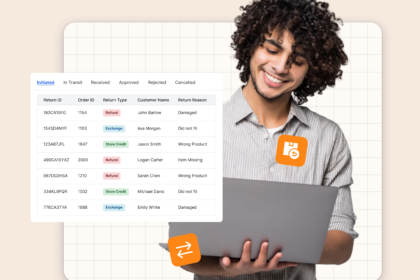
Ecommerce returns tracking, as the name suggests, is the process of monitoring a returned item from initiation to resolution. It tracks the item from when a return is initiated to when it is received, inspected, and the refund or exchange is processed.
This includes visibility for both the brand and the customer: the customer sees where their return stands; the operations team sees what is in transit, what has been received, and what is awaiting processing. Both views run off the same data layer.
How Ecommerce Returns Tracking Works: The Full Lifecycle
Returns tracking is not a single feature. It is a connected flow that spans six stages. Each stage produces data that either feeds the next stage or informs decisions about the return outcome.
- Customer initiates a return through a self-serve portal. The return reason is captured at this point. The system validates the return against policy rules (return window, product eligibility, fraud signals) and generates a Return Merchandise Authorization (RMA) number that becomes the tracking ID for the entire return journey.
- Return label is generated and sent to the customer. The label is tied to the RMA and the carrier tracking number, linking the physical shipment to the return record in your system.
- Carrier picks up the return shipment. Real-time tracking begins here. Status updates flow from the carrier into the returns management platform and surface to the customer through automated notifications.
- Return arrives at the warehouse or 3PL. Receipt is logged against the RMA. The system triggers the next workflow step: inspection queue, refund processing, or exception flag if the item condition does not match the stated return reason.
- Inspection and resolution. The item is graded (sellable, refurbishable, liquidation). The resolution is triggered automatically based on rules: refund to original payment method, store credit, or exchange shipment.
- Return reason data is recorded and aggregated. This is the analytics layer: which products have the highest return rates, which reason codes are most common, and which customer segments return most frequently.
Importance of Return Tracking in the E-commerce Industry
We get it. Returns aren’t exactly the most exciting part of running an E-commerce business. But they’re essential nonetheless. And when dealing with an average e-commerce return rate of up to 30%, you can’t afford to treat it as an afterthought. Tracking returned items not only ensures seamless reverse logistics but also enhances customer experience. Here’s why it’s important:
1. Better Visibility
Imagine a customer initiates a return request. Without a tracking system in place, you have no clue if the product is picked up, where it is now, or when it’ll reach your warehouse. A delay could not only add to this uncertainty but also impact refund timelines, leaving the customer frustrated.
With a return tracking system, you get better visibility into what’s happening with the package:
- Is it en route?
- Has it arrived at the warehouse?
- Has it been inspected carefully to trigger a refund?
This instantly gives you more control over the process, leading to fewer hiccups and mismanagements.
2. Your Support Team Can Finally Breathe
Getting a ‘Where’s my refund’ email from one customer might seem harmless. But most E-commerce brands severely underestimate how much time is wasted chasing return updates for dozens of queries. Your support team needs to coordinate with the carrier and the warehouse to get updates, which not only consumes unnecessary time but also delays resolution for other customers.
But with a tracking system in place, your customers get automated updates, meaning they don’t need to spend time chasing your support team. At the same time, your support agents don’t waste time playing middlemen between carriers and warehouses and can focus on higher-priority queries.
3. Fraud Prevention
Without a solid tracking system in place, you’re essentially trusting your customers blindly. What if they return a fake item? Or a damaged product? Or manipulate your refund policies? These fraudulent activities can leave you in a pickle, affecting your profitability.
Return tracking data helps you spot these anomalies easily. For example, it can flag multiple return requests from a single customer, or if an item was marked ‘returned’ but never reached your warehouse. Return tracking provides an added layer of accountability, helping you adjust your strategies and processes without harming honest customers.
4. Enhanced Customer Satisfaction
While returning an item in itself is not a hassle, your customers can feel frustrated if they don’t know what’s going on. Take Amazon, for example. When you return an item, you know exactly when it’ll be picked up or where you can drop it off, when you’ll receive a refund, and where you can check for more updates.
E-commerce return tracking helps you match that level of clarity. It reassures customers that their request is moving forward and the refund isn’t lost. In fact, 92% of customers say they are more likely to purchase again from brands that offer a smooth return experience.
5. Actionable Insights
E-commerce return tracking offers more than just updates on the package. It gives you valuable insights into:
- The customer segment
- Delivery partner performance
- Reason for the return
- Time to refund
- Product quality
Say you run an online shoe business. You notice returns for one model are a lot higher in a specific region. It may be due to longer delivery times or a warehouse issue. Once you pinpoint what the problem is, you can take measures to fix it.
Key Features of Ecommerce Returns Tracking
Honestly, there’s no dearth of E-commerce return tracking solutions out there. But to make sure you’re investing your money in the right place, opt for a solution that provides these non-negotiable features:
1. Automated Return Status Updates
Look at it from the customer’s POV. They’ve initiated a return and are waiting for the refund. Of course, they wouldn’t want to be left in the dark. Automated status updates prevent this situation. They ensure your customers receive timely notifications via email or SMS telling them exactly where their return is in the process. For example,
- ‘Your return request has been approved’
- ‘Your item has been picked up’
- ‘Your refund has been processed’
This reduces your returns-related support tickets and reassures customers that you’re on top of things.
2. Self-Serve Return Lookup
Customers don’t want to email or call support just to know if their return has been received. And frankly, they shouldn’t have to.
A self-serve return lookup is an essential return tracking feature that lets customers check the real-time status of their return directly on your website anytime they want. All they need to do is enter the order ID or tracking number.
3. Branded Return Tracking Page
A branded return tracking page lets you add a touch of personalization to the returns process. Instead of redirecting customers to a generic carrier page, a branded tracking page lets you retain your brand’s look and feel for a cohesive experience.
You’re still showing return timelines, reason codes, expected refund date, store credit options, etc. but while continuing to engage customers within your ecosystem.
Reliable post-purchase experience platforms like LateShipment.com bring all these features under one roof and then some. From facilitating real-time automated updates to offering a customizable, branded return portal, LateShipment.com helps E-commerce brands take complete control of the returns experience.
In fact, you can leverage the platform for its end-to-end returns experience management, including analytics, customizable workflows, and even refund automation.
4. Exchange-First Flows Connected to Return Status
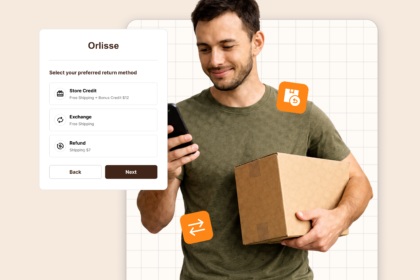
Return tracking data is not just a customer communication tool. When a customer initiates a return and tracking confirms the item is in transit, that is the point at which an exchange offer is most likely to convert. OneReturn surfaces exchange and store credit options at each return status update, turning a return event into a retention moment rather than a pure refund. According to LateShipment.com research, brands that present exchange options during the active return tracking window retain meaningfully more revenue than brands that present the same option only at return initiation.
5. RMA-Based Tracking as a Fraud Prevention Layer
Returns fraud costs e-commerce brands a material share of total return volume. RMA-tied tracking creates an audit trail that connects the label scan, the carrier tracking record, the warehouse receipt scan, and the item condition assessment. When a customer claims a return was sent but the tracking record shows no carrier pickup, or when the item received does not match the stated return reason, the RMA record surfaces the discrepancy automatically. This is how returns tracking moves from a customer experience feature to an operational control.
Common Challenges in Return Tracking
Return tracking can streamline your reverse logistics operations, yes. But that doesn’t mean it doesn’t have its limitations. Here are some hurdles you must be prepared for:
1. Lack of Automation
Tracking returns is one thing. But if you’re still manually emailing customers about their return status, you’re just wasting time and resources. Your team will end up doing mundane tasks like looking up tracking IDs and sending updates. And in case there’s a delay, it’ll only hamper the customer’s trust.
Automation takes this off your plate. It notifies customers of their return status in real-time, keeping them in the loop without overloading your support team.
2. Poor Returns Policy
A vague or restrictive policy will undo all your efforts to streamline the returns process. You see, without a clear framework on how and when returns will be processed, your tracking system will lack a defined workflow.
For example, suppose your return policy says refunds will be processed after inspection. But what does that mean? Three hours? Three days? Without clear SLAs, your customers won’t know when to expect updates, and your tracking system won’t be aligned with their expectations.
3. Delayed Carrier Updates
You can partner with the best returns tracking solution in the world. But if your carrier is slow in scanning the returns or updating the status, it takes away from the convenience of real-time tracking.
Suppose a customer initiates a return. Forty-eight hours later, the system still shows ‘Label Created.’ Is it in transit? Is it delayed? You’ll never know unless the carrier updates the system from their end.
4. Inadequate Data Utilization
Thanks to the tracking system, you have access to tons of valuable data, providing actionable insights into return frequency, return reasons, refund timelines, etc. But are you actually using it?
If not, you’re sitting on a goldmine of information. Maybe a certain product gets returned 40% of the time due to sizing issues. Or maybe a specific carrier always delays returns from a specific region. These patterns can help you identify areas that you can optimize to either lower the frequency of returns or even flag issues before they happen.
Best Practices for Implementing Return Tracking
You’ve seen the potential challenges to avoid. Now let’s look at some best practices to embrace for seamless return tracking:
1. Partner with a Reliable Provider
To make sure your tracking system runs as smoothly as possible, it’s crucial to partner with a provider that knows post-purchase experience like the back of their hand. A reliable provider should offer:
- Real-time carrier integrations
- Branded tracking pages
- Automated workflows
2. Prioritize Functionality Over Cost
It can be tempting to lean toward the lowest-priced option. But if a deal is too good to be true, it probably is. At the same time, the most expensive solution isn’t always guaranteed to be the best.
And so, you need to prioritize the features and functionality of the system over its cost. Look at your current processes to identify where the gap is. Then, narrow down solutions that help fill it.
3. Offer a Self-Service Returns Portal
The more seamless you make the process for your customers, the less likely they are to feel frustrated. With a self-serve portal, customers can track their return status in real-time without having to connect with your support team.
They can handle everything from generating a return label to tracking refund progress, all without talking to a single rep.
Return Reason Tracking: The Data Layer That Most Brands Underuse
The most underused output of returns tracking is the return reason data. Every return initiates with a customer-selected reason: wrong size, not as described, arrived damaged, or changed my mind. At low volumes, those reasons are anecdotes. At scale, they are a diagnostic dataset.
Return reason data tells you:
- Which SKUs have return rates above your category baseline, and why
- Whether sizing issues are concentrated on specific products or spread across a category
- Which return reasons correlate with full refund requests vs willingness to exchange
- Which carrier routes or fulfillment centers are generating damage-related returns
Brands using OneReturn can connect return reason data directly to product performance analytics. If a specific product is generating a 35% return rate with ‘not as described’ as the dominant reason, that is a product content problem, not a logistics problem. The fix is a product page update, not a warehouse process change.
Future Trends in E-commerce Return Tracking
E-commerce return tracking solutions already use advanced technology to accelerate and enhance the process. While it has transformed the way E-commerce brands manage their returns, the future looks a lot more promising.
Think barcode scanning and RFID tags that give you a live feed of where the product is, right from the moment a customer drops it off to when it’s scanned back into your warehouse. This gives you a lot more visibility.
Plus, the quicker you process and reintegrate returned items, the sooner you can put them back on the shelf. This can be particularly useful for high-demand products with limited inventory.
End Note
If you’re looking to streamline your post-purchase experience, return tracking can’t be an afterthought. It gives you better visibility, prevents fraud, enhances customer satisfaction, provides actionable insights, and allows your support team to focus on more important queries.
Plus, real-time updates and self-serve portals further enhance customer experience, reducing support strain.
If you’re ready to transform your post-purchase experience and take control of your returns, it’s time to see what LateShipment.com can do. Book a demo today to see it in action.
Key Takeaways
| Topic | Key Takeaway |
|---|---|
| What it is | Ecommerce returns tracking monitors a returned item from initiation through warehouse receipt, inspection, and resolution. It serves both the customer-facing experience and the ops team’s workflow management. |
| How it works | A six-stage lifecycle: return initiation and RMA creation, label generation, carrier pickup and transit tracking, warehouse receipt, inspection and resolution, and return reason data aggregation. |
| Customer visibility | Automated status notifications at each tracking milestone reduce return-related customer contacts and eliminate the ‘where is my return’ inquiry. |
| Revenue retention | Exchange-first flows connected to return tracking status convert a meaningful share of returns into exchanges when the offer appears during the active return window. |
| Fraud prevention | RMA-tied tracking creates an audit trail that surfaces discrepancies between stated return reasons and actual item condition at warehouse receipt. |
| Analytics | Return reason data at the SKU level is the most actionable output of returns tracking. Acting on it within 30 days of identifying a pattern reduces repeat returns on that product. |