


Key Takeaways
- LateShipment.com’s research shows that WISMO tickets consume 30-40% of support resources and cost brands $54,000-216,000 annually in avoidable support expenses
- Proactive delivery notifications reduce WISMO volume by 60-70% while increasing repeat purchase rates by 6-12%
- Carrier tracking pages and notifications lack brand control, creating information gaps that trigger customer anxiety
- Brands using proactive delay communication see CSAT scores of more than 80 for delayed shipments
- Post-purchase touchpoints offer 6-8 brand reinforcement opportunities that drive customer lifetime value
- The right delivery experience platform pays for itself through support savings alone, with revenue upside from improved retention
Every day, your support team answers the same question dozens of times: “Where is my order? (WISMO)” These WISMO tickets drain resources, frustrate customers, and represent a massive missed opportunity. While most brands treat shipping as something they hand over to the carrier, the smartest e-commerce companies are transforming it into a retention driver.
Turning Shipping Delays Into Positive Customer Experiences
Delays are inevitable, yes. But the worst thing that happens when handling them is letting customers discover delays on their own.
We’ll cut to the chase. Here’s the best approach, the proactive way:
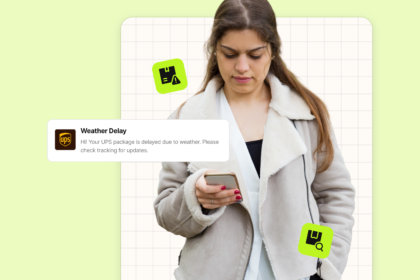
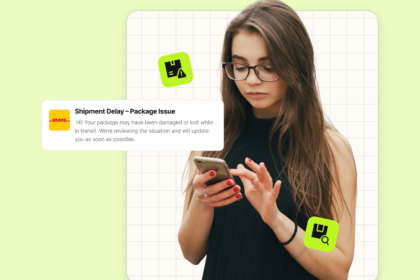
When a shipment shows signs of delay (carrier scan gaps, missed delivery dates, weather events), immediately notify the customer with transparency about what happened, context explaining the situation, accountability that owns the experience even if it’s the carrier’s fault, appropriate compensation like a discount code or free shipping on next order, or revised expectations with an updated delivery estimate.
This approach accomplishes something remarkable: it often results in better customer satisfaction than on-time deliveries that lack communication. Customers appreciate honesty and proactive outreach far more than they resent delays beyond your control.
Without a proactive approach, you are left to firefight incoming WISMO calls in huge volume and increasing customer frustration from being left in the dark regarding their orders.
The Real Cost of WISMO Tickets
Tracking our customers’ parcels throughout the years has shown us this shocking stat: WISMO tickets typically represent 30-40% of all customer support volume for e-commerce brands. If your support team handles 100 tickets per day, that’s 30-40 tickets asking the same basic question: Where is my order?
Calculate your actual cost: if each ticket costs $5-15 to resolve (factoring in support staff time, tools, and overhead), you’re spending $150-600 per day or $4,500-18,000 per month just answering tracking questions. Annually, that’s $54,000-216,000 in completely avoidable support costs.
But the financial impact goes deeper. Support teams buried in WISMO tickets have less time for high-value interactions like handling returns thoughtfully, addressing product questions, or turning upset customers into advocates. You’re also losing sales: anxious customers who don’t receive proactive updates are less likely to make a purchase again.
How Proactive Delivery Communication Transforms the Post-Purchase Experience
The solution isn’t better support. It’s eliminating the need for support for trivial stuff in the first place. Proactive delivery communication means customers receive branded notifications at every critical moment in the shipping journey, before they need to ask.
Here’s what proactive notification actually looks like:
- Order confirmed: Branded email immediately after purchase with estimated delivery date
- Order shipped: Notification with carrier details and tracking information
- In transit: Updates as the package moves through the carrier network
- Out for delivery: Morning notification that their order arrives today
- Delivered: Confirmation with delivery photo or location
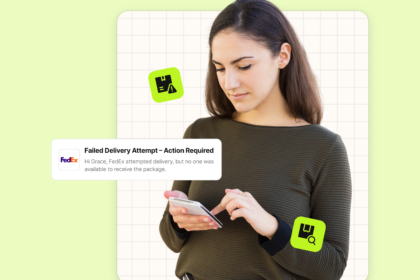
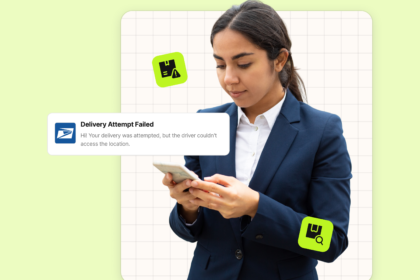
- Delayed: Immediate notification if there’s an exception, with context and revised ETA
Each notification reinforces your brand, manages expectations, and keeps customers informed without requiring you to take any action.
Why Basic Tracking Links and Carrier Notifications Aren't Enough
Most e-commerce brands take the path of least resistance: send an order confirmation email with a carrier tracking link and hope for the best. When customers get anxious, they either contact support or check the carrier’s website directly. This approach has three critical failures.
- Carrier notifications are unreliable and generic. Carriers like FedEx and UPS do offer notification services, but they’re inconsistent, lack your branding, and often arrive late or not at all. Customers don’t have a relationship with the carrier. They have a relationship with your brand. When they’re redirected to a sterile carrier tracking page, you’ve just handed over one of the most valuable touchpoints in the customer journey.
- Basic tracking links create information gaps. A link in an order confirmation email means customers have to actively seek updates. Most won’t check until they’re already worried, which is too late to prevent anxiety-driven support tickets. By the time a customer reaches out to ask where their order is, you’ve already lost the opportunity to proactively manage their expectations.
- You have zero control over the experience. When customers land on carrier tracking pages, they see generic status updates, competing ads, and zero brand reinforcement. You’ve spent resources acquiring this customer and perfecting their on-site experience, only to abandon them at the most anxious moment of their journey.
What Makes a Post-Purchase Platform Different from Basic Tracking Tools
Basic tracking tools simply pull carrier data and display it. A true post-purchase customer experience platform does five things differently in this case.
Intelligent estimated delivery dates
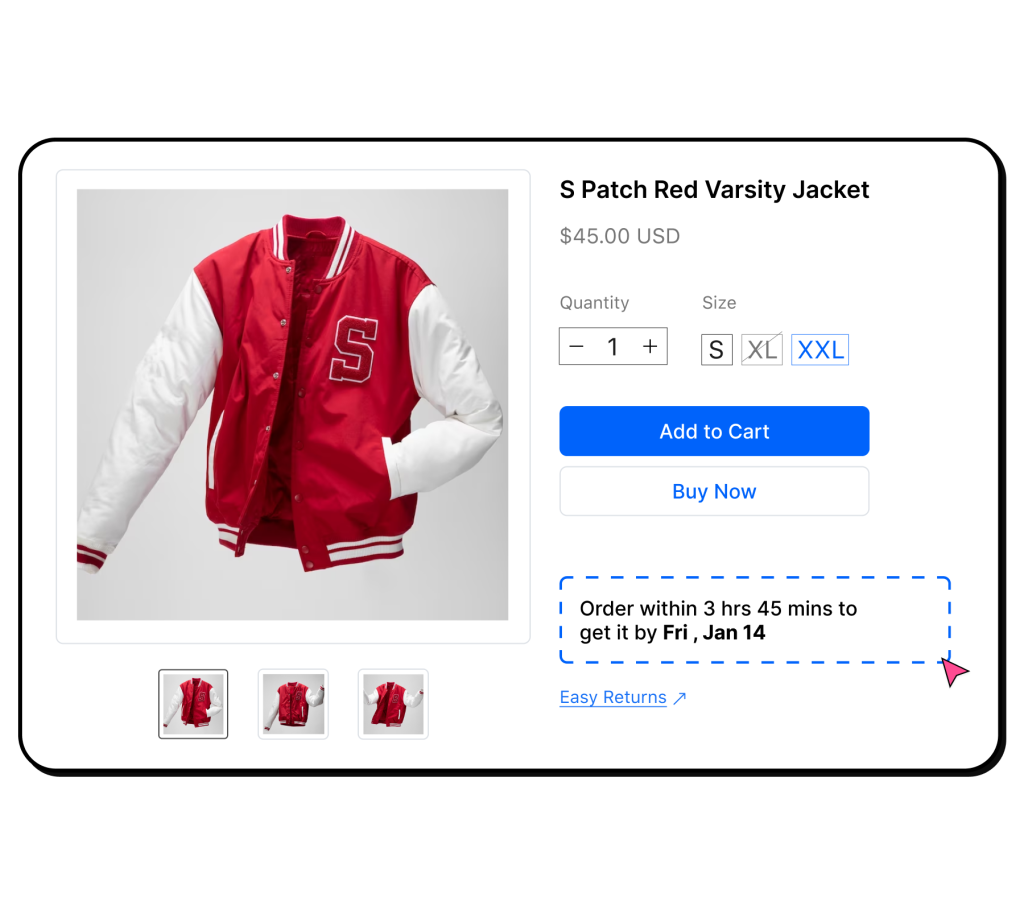
The key to a great post-purchase experience is setting the delivery expectations right and letting the customers know that you intend to keep up your promise. Showing an accurate order arrival date on product, cart, and checkout pages enables you to improve conversions by reducing cart abandonment.
Proactive exception notifications
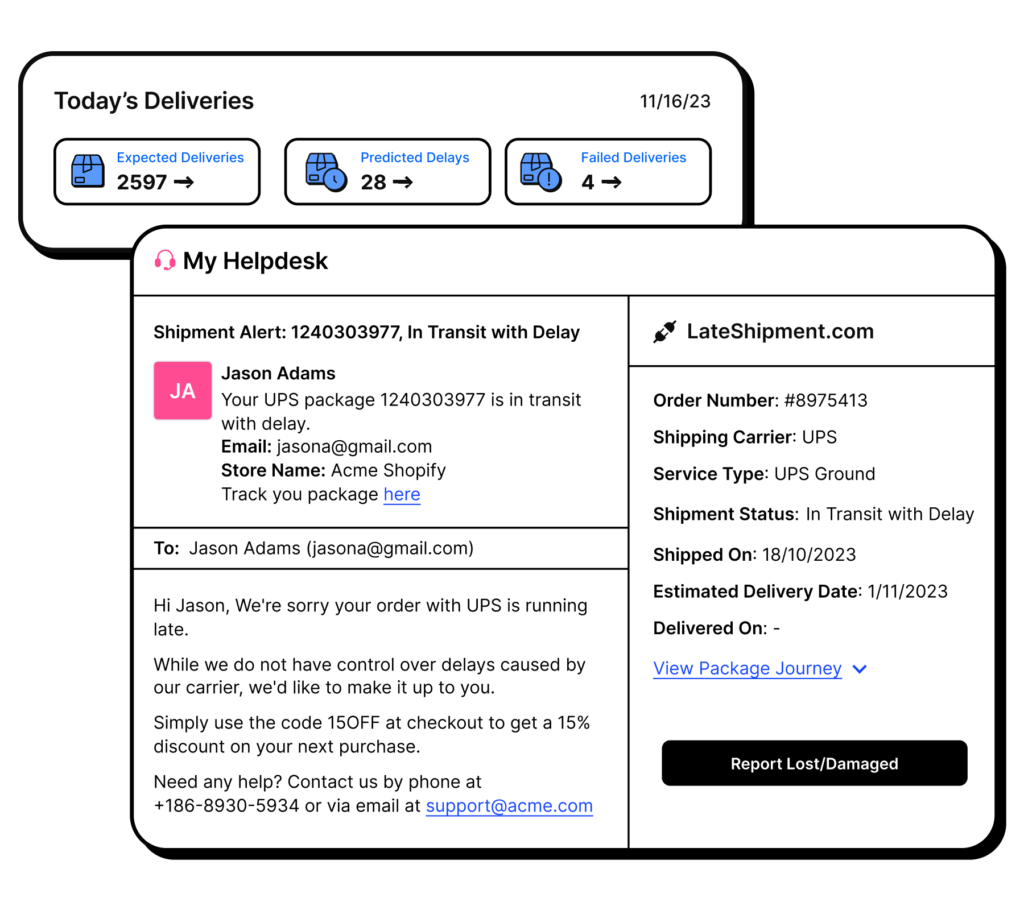
Instead of waiting for customers to check tracking, the platform should monitor shipments continuously and send targeted notifications based on actual events and predicted delays. If a package is stuck in a carrier facility or shows signs of delay, customers are informed immediately with context, not just raw tracking data.
Platforms like LateShipment.com’s OneTrack predict delays and send out exception alerts for 9+ events like delays, damage, and more that flag issues before your customers ever notice.
Branded tracking experiences
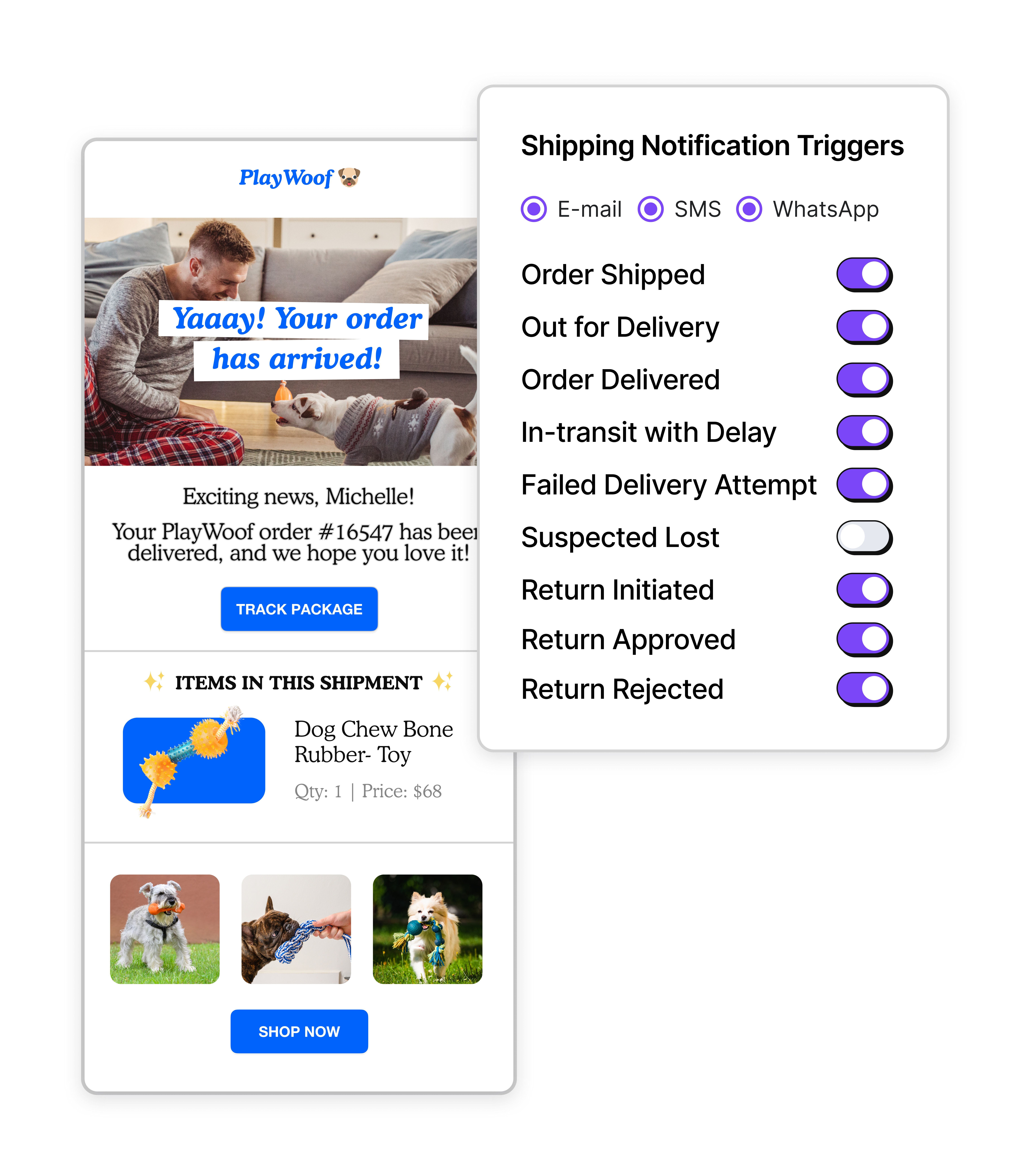
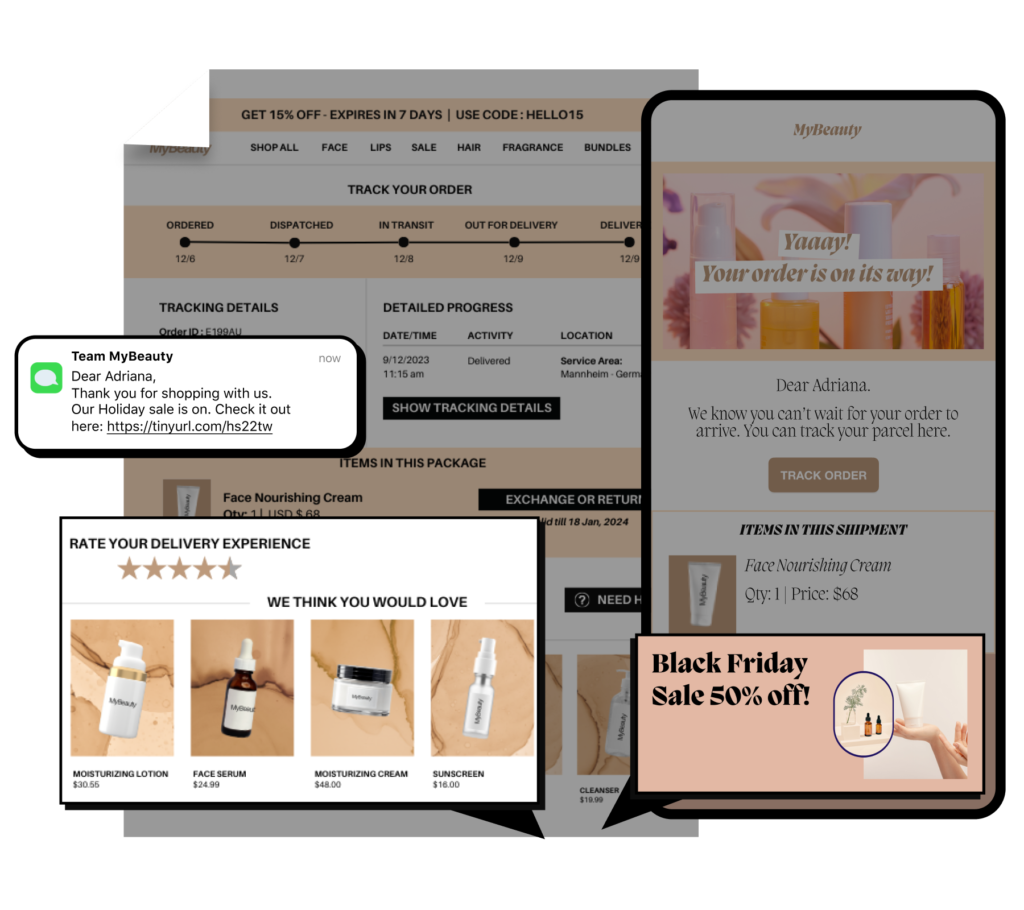
Every touchpoint, from SMS updates to tracking pages, should look and feel like your brand. Custom tracking pages with your logo, colors, product recommendations, and marketing messages turn a utility into a conversion opportunity. Customers should never feel like they’ve left your brand experience.
With LateShipment.com, you can create beautiful, personalized and on-brand shipping notifications, be it via email, SMS or Whatsapp alerts. LateShipment.com automates 13+ event-based notifications.
Actionable intelligence for your team
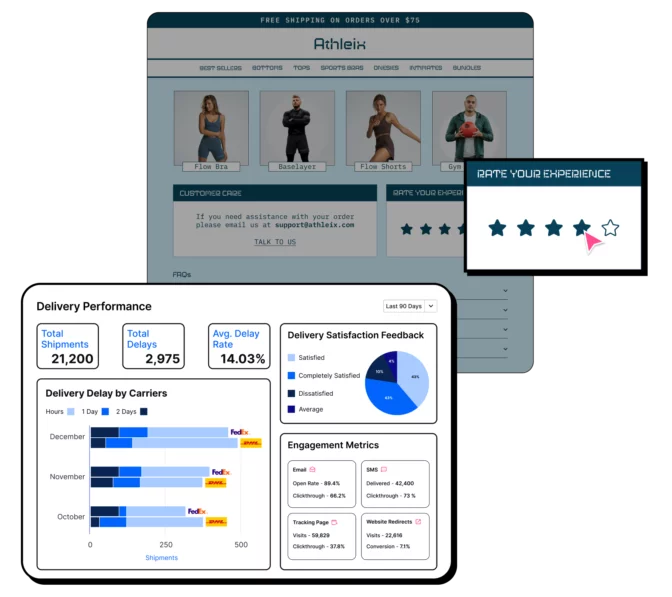
While customers receive notifications, your team gets insight into which shipments are at risk, which carriers are underperforming, and where delays are happening. This allows you to reach out to affected customers before they contact you, and make data-driven decisions about carrier mix and shipping strategies.
Bringing in recurring revenue opportunities
The brands seeing the biggest ROI from post-purchase platforms are those that treat shipping communications as a retention channel, not just a cost-saving measure. Post-purchase is prime real estate for cross-sells, loyalty program enrollment, and social proof. A sophisticated platform lets you add product recommendations, review requests, and exclusive offers directly into tracking pages and notification emails, turning a cost center into a revenue driver.
LateShipment.com helps you convert tracking visits into recurring revenue opportunities with personalized product recommendations, discounts, and other sales promotions, etc.
The math is compelling: if you’re currently getting 1,000 orders per month and improve your repeat purchase rates to 8%. At a $50 average order value, that’s $3935-4585 in cutting down on support tickets and increasing incremental revenue, or numbers nearing $50000 annually just from better post-purchase communication.
Integrating with your tools and tech stack
The post-purchase platform you’re scouting must seamlessly connect with your existing tech stack to send personalized, brand-consistent shipping transactional emails and SMS to customers.
LateShipment.com integrates with Klaivyo, Omnisend, and Twilio for effective real-time shipping notifications, as well as with Yotpo, Rebuy, and Nosto, for you to explore additional revenue and customer retention opportunities post-purchase with personalized product recommendations, product reviews, and more. LateShipment.com also integrates with major helpdesk solutions (Zendesk, Gorgias, Freshdesk) to automatically attach tracking information to support tickets.
The Bottom Line
Shipping communication is too important to leave to carriers or generic tracking links. The brands winning in e-commerce are those that control every touchpoint, eliminate customer anxiety before it surfaces, and turn the post-purchase experience into a competitive moat.
By implementing a proactive notification strategy and branded delivery experience platform, you can cut support costs by $50,000-200,000 annually while increasing repeat purchases by 6-12%. More importantly, you’ll transform shipping from a source of customer anxiety into a driver of loyalty and trust.
Your customers are already anxious about their orders. The question is whether you’ll let them suffer in silence, contact your support team, or proactively guide them through a delightful delivery experience that makes them want to buy from you again.
The choice is yours, and it’s also your competitive advantage.
Frequently Asked Questions about WISMO, Shipping Delays, and Proactive Outreach
How quickly can we reduce WISMO tickets after implementing proactive notifications?
Most brands see a 40-50% reduction in WISMO tickets within the first 30 days of implementation. The reduction accelerates to 60-80% once you’ve optimized notification timing, messaging, and channels based on customer behavior data. The key is ensuring notifications reach customers before they consider contacting support.
What's the difference between carrier notifications and the ones you send through a branded post-purchase platform?
Carrier notifications are inconsistent, require customer opt-in, lack your branding, and give you zero control over messaging or timing. On the other hand, a post-purchase platform monitors all your shipments regardless of carrier, sends branded notifications automatically, and gives you complete control over the customer experience.
Can we customize tracking pages to match our brand guidelines?
Yes. Post-purchase platforms like LateShipment.com offers full white-label customization including your logo, brand colors, fonts, custom domains, and the ability to add marketing content like product recommendations, reviews, social proof, and promotional offers.
How do proactive delay notifications improve customer satisfaction?
Customers appreciate transparency and hate being left in the dark. When you proactively notify them about delays with honest context and revised expectations, you demonstrate that you’re monitoring their order and care about their experience. This builds trust even when things go wrong. Brands that communicate proactively about delays often see higher satisfaction scores than those with on-time deliveries but poor communication.