

Key Takeaways
Shipping insurance protects against loss, damage, theft, and sometimes late delivery, ensuring your business isn’t left financially exposed.
There are four main types of shipping insurance: carrier-provided, third-party, all-risk, and international insurance, each offering different levels of coverage.
Insurance is essential for high-value, fragile, or bulk shipments, as well as during peak shipping seasons when risks are higher.
Third-party shipping insurance often provides broader coverage and a smoother claims process than carrier insurance.
Choosing the right shipping insurance involves understanding your shipping risks, comparing providers, and evaluating the claims process for convenience and reliability.
Picture this: Your customer has been excitedly tracking their order for three days straight. The delivery date arrives, and instead of a perfectly packed box at their doorstep, there’s nothing. Or worse, a mangled package that looks like it survived a demolition derby.
It’s a nightmare for the customer. And it’s a financial gut-punch for you. Sure, you can issue a refund. But that money comes straight out of your pocket, even if the carrier was entirely at fault. Nobody wants to foot the bill for someone else’s mistake.
That’s exactly where shipping insurance comes in. It’s your financial safety net when things go sideways in transit, protecting your business from losses due to damage, loss, theft, and in some cases, even late delivery.
In this guide, we’ll break down everything you need to know: how shipping insurance works, the different types available, when you actually need it, how to choose the right one, and what it’s going to cost you.
What Is Shipping Insurance?
Shipping insurance is a safeguard that protects your packages while they’re in transit. It covers financial losses from loss, damage, theft, and even late delivery in certain cases, whether the issue stems from carrier error, mishandling, or unforeseen events like natural disasters.
With shipping insurance in place, you can offer refunds or replacements to affected customers without taking a hit to your bottom line. It protects your revenue, keeps customer satisfaction intact, and strengthens trust in your brand.
Types of Shipping Insurance
There are four main types of shipping insurance: carrier-provided insurance, third-party shipping insurance, all-risk insurance, and international shipping insurance. Which one you need depends on what you’re shipping and how much protection you’re after.
1. Carrier-Provided Insurance
Most carriers like FedEx, UPS, and USPS offer some level of declared value coverage as part of their services. You declare the value of your shipment upfront, and if it’s lost or damaged, they reimburse you up to that stated amount.
That said, this coverage has its limits. The reimbursement cap can be restrictive, and certain items may be excluded altogether. Always read the fine print before assuming you’re covered.
2. Third-Party Shipping Insurance
Third-party providers specialize in shipping protection and typically offer far more comprehensive coverage than carriers do. They tend to cover a broader range of items, offer higher coverage limits, and have a more straightforward claims process. If you regularly ship valuable or fragile goods, a third-party provider is often the smarter move.
3. All-Risk Insurance
All-risk insurance offers the widest coverage of the bunch. It protects your shipments against virtually any cause of loss or damage, except for specific exclusions listed in the policy like acts of God or inherent vice. For high-value shipments where you want maximum protection, this is the gold standard.
4. International Shipping Insurance
International shipping insurance protects goods moving from one country to another, covering losses or damages that occur during transit by sea, air, or land. If you sell globally, this one is non-negotiable.
Benefits of Shipping Insurance
Shipping insurance isn’t just a nice-to-have. For businesses dealing in high-value or fragile goods, it’s a genuine business advantage. Here’s why it’s worth the investment.
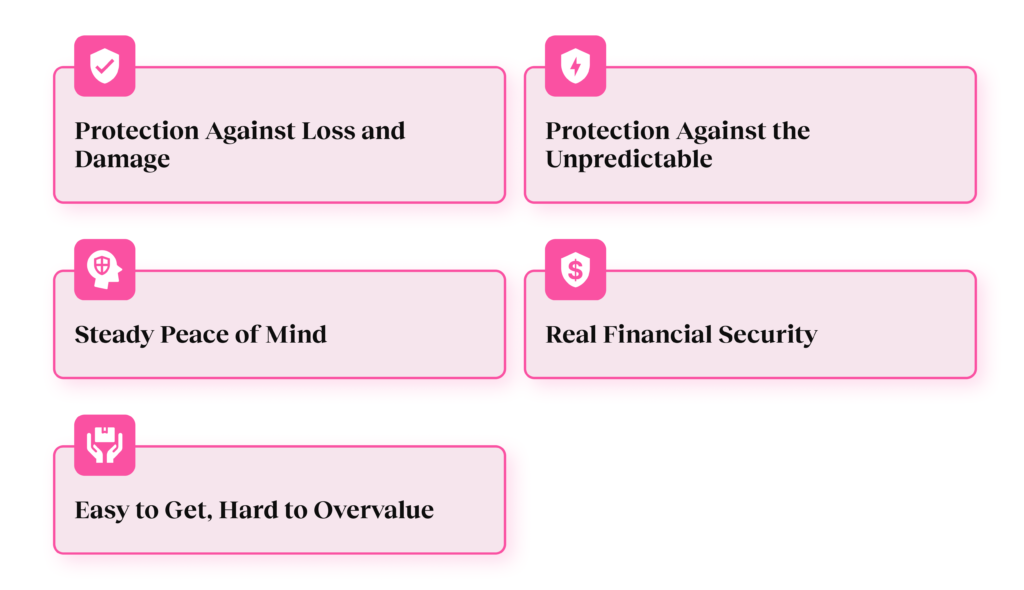
1. Protection Against Loss and Damage
Shipping is a complex, multi-touch process, and things go wrong. Statistics show that 11 to 15% of packages get lost or damaged in the U.S. annually. With proper insurance in place, those incidents stop being business-threatening events and start being manageable, isolated cases.
2. Easy to Get, Hard to Overvalue
Insurance is added on a per-package basis, essentially an additional fee at the point of shipping, with minimal paperwork. Don’t let the ease of getting it fool you into thinking it’s trivial, though. It gives your business a financial backstop against losses and helps you make customers whole quickly when things go wrong, restoring both satisfaction and brand reputation.
3. Steady Peace of Mind
When you’re running an e-commerce business, you have enough to worry about. The last thing you need is a persistent fear of significant loss every time a package goes out the door. With the right insurance strategy in place, you can ship with confidence.
4. Real Financial Security
E-commerce businesses lose an estimated $500K annually from lost and damaged packages (Source: National Retail Federation). Shipping insurance covers the declared value of your shipments, so your business doesn’t have to absorb those losses alone.
5. Protection Against the Unpredictable
No matter how well-prepared your business is, unexpected events like theft, natural disasters, and accidents during transit can and do happen. Insurance ensures that when circumstances outside your control cause losses, your bottom line doesn’t pay for it.
When Do You Need Shipping Insurance?
Shipping insurance isn’t mandatory for every package, but for certain products, quantities, or shipping scenarios, it’s a straightforward investment.
High-Value Items – Electronics, jewelry, artwork, luxury goods. These big-ticket items represent significant financial exposure with every shipment. One incident without coverage can be a painful loss.
Fragile Goods – Glassware, ceramics, musical instruments. Even with careful packaging, fragile products can break in transit. Insurance covers the losses so a cracked shipment doesn’t become a revenue problem.
Bulk Shipments – Shipping in bulk can be cost-effective, but the cumulative value of those goods is substantial. When a lot is riding on a single dispatch, you want coverage.
Peak Shipping Seasons – Holiday seasons and major sales events dramatically increase shipping volumes and with them, the likelihood of carrier strain, delays, damage, and loss. This is exactly when you want your packages covered.
How to Choose the Right Shipping Insurance
Not all insurance is created equal. Here’s how to navigate your options and land on coverage that actually fits your business.
1. Understand Your Shipping Risks
Before anything else, take stock of what you’re shipping and how often things go wrong. If you regularly ship fragile or high-value items and experience frequent incidents, you need robust coverage. If your products are low-risk and losses are rare, lighter coverage might be sufficient.
Ask yourself: What kind of items am I shipping? How often do I experience loss or damage? The answers will point you toward the right level of protection.
2. Compare Carrier-Provided vs. Third-Party Insurance
Carrier-provided insurance is convenient, but it comes with restrictions. Coverage limits tend to be lower, and the claims process isn’t always smooth. Third-party providers offer more flexibility, broader coverage, and a more efficient claims experience, making them a better fit for businesses with high shipment volumes or valuable goods. Don’t default to carrier insurance just because it’s the easiest option.
3. Get Clear on Coverage Options
Dig into the specifics before committing to any policy. Key things to evaluate: does it cover loss, damage, and theft? Are the coverage limits sufficient for your highest-value items? What scenarios or items are excluded? Does it cover international shipments if you sell globally? The goal is a policy that matches how you actually ship, not a generic plan that leaves gaps.
4. Consider Rule-Based Insurance
Rule-based insurance lets you set conditions that automatically trigger coverage. For example, insuring all orders above a certain value, applying coverage to specific product categories, or customizing policies based on destination or shipping method. You’re only paying for coverage where it’s actually needed, which keeps costs lean while ensuring high-value shipments are always protected.
5. Evaluate the Claims Process
Insurance is only as good as the claims experience behind it. A complicated, paperwork-heavy process makes filing feel like more trouble than it’s worth. Look for providers with a streamlined, automated claims process. With LateShipment.com, everything insurance-related lives in a unified portal, from submitting claims to tracking statuses and monitoring outcomes, giving you full visibility without the manual grind.
How Much Does Shipping Insurance Cost?
Costs depend on several variables, and the general rule is simple: the riskier the shipment, the more it costs.
Declared Value – Premiums are typically calculated as a percentage of your declared value. Always declare the actual value. Under-declaring to save a few dollars can backfire badly if you need to file a claim and can’t be reimbursed for the full loss.
Type of Goods – Fragile items, easily damaged electronics, and high-value goods like jewelry or artwork carry higher insurance rates. Insurers factor in the likelihood of damage or loss when setting premiums.
Destination – Destinations with higher rates of theft, political instability, challenging transit conditions, or natural disaster risk cost more to insure.
Shipping Method – Air, ground, and sea freight each carry different risk profiles that factor into pricing. Air is generally considered lower risk than sea, though every method has its trade-offs.
Coverage Type – All-risk coverage is broader and costs more. Named perils insurance covers only specific incidents and typically runs cheaper. Decide whether the premium difference is worth the additional protection for your business.
Final Thoughts
The right shipping insurance protects your revenue, maintains customer satisfaction, and removes a major source of operational stress. But when you’re processing hundreds of shipments, manually figuring out which packages need coverage gets old fast.
That’s where LateShipment.com comes in. LateShipment.com’s Shipping Protection and Insurance software offers a convenient and quick solution. With intelligent insurance automation, you can set custom rules, apply coverage on demand, and make sure every high-value package is protected without having to evaluate each shipment individually. When claims need to be filed, the automated process handles it through a centralized portal, no chasing paperwork, no delays.
Want to see how it works? Book a demo and try LateShipment.com’s Shipping Protection and Insurance Software today.
Frequently Asked Questions
Is shipping insurance worth it? For high-value or fragile items, almost always yes. Despite careful packaging and carrier precautions, packages still get lost and damaged. The cost of insurance is almost always lower than absorbing the loss yourself.
Can I get shipping insurance from my shipping carrier? Yes, most major carriers offer insurance options. That said, it’s worth comparing prices and coverage terms against third-party providers, who often offer better value, broader coverage, and a smoother claims experience.
How do I choose a shipping insurance provider? Weigh carrier insurance against third-party options, understand what’s covered, and look closely at the claims process. This guide covers everything you need to make an informed decision.
Monthly Newsletter
Get practical solutions and insights to tackle real-world post-purchase challenges directly in your inbox