

Quick answer:
Post-purchase engagement is every interaction a brand initiates with a customer after a purchase: shipping updates, delivery notifications, review requests, loyalty rewards, re-engagement offers, and returns handling. Done well, it converts one-time buyers into repeat customers. The best post-purchase engagement solutions in 2026 include LateShipment.com (branded delivery and returns engagement), Klaviyo (email and SMS automation), Yotpo (loyalty and reviews), Gorgias (support-driven engagement), and Attentive (SMS-first engagement). Brands that prioritize post-purchase engagement see 15-25% higher revenue than those focused solely on acquisition.
Key Takeaways
- The retention math: A 5% improvement in customer retention can boost profits by 25-95% (Bain and Company). Acquiring a new customer now costs 5-7 times more than retaining one. Post-purchase engagement is the most cost-effective growth lever available to e-commerce brands in 2026.
- Repeat customers drive disproportionate revenue: Repeat customers account for 40% of revenue for most e-commerce stores. Customers who have made two prior purchases are 50% more likely to buy again. The post-purchase phase is where this second purchase is won or lost.
- The engagement window is specific: The highest-impact engagement happens within the first 30-60 days after a purchase. First-time buyers who receive personalized post-purchase communications show 45% higher second-purchase rates. Getting the timing and relevance right in this window is the difference between a loyal customer and a one-time buyer.
- Platforms and tools matter at volume: Post-purchase engagement cannot be managed manually at meaningful shipment volumes. The right combination of delivery engagement (LateShipment.com), email and SMS automation (Klaviyo), and loyalty infrastructure (Yotpo) handles the entire post-purchase journey without adding headcount.
- Three metrics that actually matter: Customer Retention Rate tells you if engagement is working. Repeat Purchase Rate tells you if customers are coming back. Time to Second Purchase tells you if your post-purchase window strategy is landing. The rest is noise until you have these three dialed in.
So what happens after a customer clicks that “buy” button? They’ve browsed your amazing products, finally picked the perfect one, and eagerly awaited its arrival. It’s here! They’re using it, loving it… and then? What happens next in their relationship with your brand? Do they just move on, or do they keep thinking about you?
Customers remember the brands that make an impression. The companies that stay in touch offer little treats, helpful tips, or just a friendly check-in. These are the brands that earn a place in customers’ spending habits. In fact, brands focusing on post-purchase strategies see revenue increases of 15-25% compared to those prioritizing new customer acquisition alone.
The secret sauce here is called post-purchase engagement. That’s the strategy that keeps your brand top-of-mind after the sale, makes customers feel valued and appreciated, and turns them into part of your brand’s long-term customer base.
This guide covers everything you need to know about post-purchase customer engagement: what it is, which solutions and platforms do it best in 2026, which strategies move the needle, and which metrics tell you if it’s working.
What is Post-Purchase Engagement?
If we were to define it in the simplest way possible, post-purchase engagement is every interaction that a customer has with your brand after they’ve made a purchase. Every communication that you initiate after the point of sale can be called post-purchase engagement. The intention behind reaching out to customers after they’ve purchased from you could be to build loyalty, encourage more business, or guide customers into becoming ambassadors for the brand.
Post-purchase engagement is not simply customer service, although customer service interactions can be a component of it. It’s also not solely about transactional communications like order confirmations or shipping updates; purchase engagement is more proactive and focused on nurturing your relationships with customers.
Learn More: What is Post Purchase?
Understanding Post-Purchase Engagement
Understanding post-purchase customer engagement means recognizing that the customer journey doesn’t end at the “purchase” button. It’s about acknowledging that customers have distinct needs and expectations after they’ve bought something. It’s easy to mistake this for simply good customer service, but post-purchase engagement is a much broader, more strategic approach.
While excellent customer service is undoubtedly part of a successful post-purchase strategy, it’s just one piece of the puzzle. Customer service typically reacts to customer inquiries or problems. Post-purchase engagement, on the other hand, is proactive and focused on nurturing the relationship, building loyalty, and maximizing customer lifetime value.
What Does Post-Purchase Engagement Entail?
Post-purchase engagement starts the moment the purchase is confirmed. It begins with the initial confirmation email, the first touchpoint in the post-purchase journey. It’s an opportunity to set the tone for the ongoing relationship.
From there, it continues through the shipping process (providing updates and managing expectations), the product arrival (offering setup assistance or usage tips), and well beyond the initial “getting to know the brand” phase. It extends into ongoing communication, personalized offers, loyalty programs, and even community building. It’s a continuous process aimed at keeping the customer engaged and connected with the brand.
Ultimately, understanding post-purchase engagement means understanding the long-term value of customer relationships. This means acquiring a customer is only the first step. You then have to nurture the relationship consistently. This translates to increased customer lifetime value, reduced churn, and sustainable business growth.
Benefits of Strong Post-Purchase Engagement
Strong post-purchase engagement offers benefits that go beyond simply making a sale. This is what helps you cultivate strong relationships that turn into loyalty and brand advocacy. Here are some key advantages of a post-purchase customer engagement strategy:
1. Brand Recall
Customer engagement in the post-purchase phase helps build brand recall. Send periodic emails to your customers to remind them that they had a good shopping experience with you. Such mails, right after purchase and for a long time after ensure that the customer does not forget your brand. He might not be willing to shop immediately after such a mailer. But when the time comes, when he has a need, he will come to your site because of the brand recall efforts you have taken.
Read More: How to Improve Brand Experience via Post-purchase Communication
2. References
When you are thoughtful enough to send your customers a thank you message, a timely check-in, or a mailer asking if they’re satisfied with the purchase and the experience, they are bound to think highly of you and refer you to others. Include a referral program in your marketing emails so that customers have an incentive to spread the word about you.
3. Long term loyalty
In the age of e-commerce, there is no human interaction during a sale. So you need to go the extra mile to engage the customer and make sure they’re happy with the entire shopping experience. The result: they will be a long-term customer and will not look at other brands when you offer them great products and great services.
Think of your online store as a brick-and-mortar store in a small town where everyone knows everyone else. A smart grocer sells goods, asks customers about their day, and is willing to engage in conversation with them. You should look to recreate this with your customers who show potential to be long-term buyers.
4. Increased Customer Lifetime Value (CLTV)
Think of each customer as a long-term investment, not just a one-time transaction. By nurturing the relationship after the sale, you increase the chances of them making repeat purchases, upgrading to higher-value products, and generally spending more with your business over time. Targeted follow-up emails referencing past purchases can increase CLV by 20-30% through better retention.
5. Valuable Feedback and Insights
Post-purchase engagement provides a great opportunity to gather valuable customer feedback. When you actively seek reviews, ask about their experience, and monitor social media conversations, you gain direct insights into what you’re doing well and where you can improve. This feedback loop is invaluable for refining your products, services, and overall customer experience.
6. Reduced Customer Acquisition Costs (CAC)
Acquiring new customers is expensive. It requires marketing campaigns, advertising, and often discounts or promotions. Customer acquisition costs have risen 222% over the past five years in competitive categories. Retaining existing customers is significantly more cost-effective. Focusing on post-purchase engagement reduces the need to constantly replace churning customers with new ones.
Common Post-Purchase Engagement Pitfalls
Okay, so you’re fired up about post-purchase engagement and ready to roll. But before you begin, let’s talk about some common mistakes to avoid.
1. Overdoing the Communication
You know that feeling when someone just will not stop talking? That’s what over-communicating can feel like to your customers. Contacting them every single day, even with personalized content, can quickly become annoying. Make sure your communication is relevant, valuable, and timed appropriately. A well-placed message with helpful information is far more effective than a daily barrage of promotions. Give your customers breathing room, and they will be much more receptive to your messages.
2. Generic and Impersonal Messages
Nothing signals mass marketing like a generic email that doesn’t even use your customer’s name. Today’s customers expect personalization. They want to feel like you know them and understand their needs. Sending out the same impersonal message to everyone is a missed opportunity to build any real connection. Take the time to segment your audience and tailor your communication to their specific interests and purchase history. Use their name, reference past purchases, and offer relevant recommendations.
3. Neglecting the Feedback Loop
You ask for feedback, which is great. But then, if you do nothing with it, that’s like asking someone for their opinion and immediately walking away. It makes them feel ignored and unimportant. Show your customers that you’re listening by acknowledging their feedback, implementing their suggestions when possible, and addressing any concerns they raise. Closing the loop demonstrates that you value their input and are committed to improving their experience.
Key Strategies for Post-Purchase Engagement
A happy customer brings in business through word of mouth. So, how does one maximize sales with existing customers? Through a well-thought-out customer engagement plan post-purchase.
A good customer engagement program has time-tested post-purchase engagement strategies like:
1. Recommend Products That Complement the Purchase
If you have a customer who has bought a crib from your store, understand that it’s for a baby and introduce them to your inventory of other baby-related products. If the customer had a positive experience shopping with you the first time, they will think of shopping with you again if they need any of the products you pitch. Personalized recommendations simply double the chances of that happening. Customers who receive tailored product recommendations are over 60% more likely to make another purchase.
2. Offer loyalty programs
People are generally creatures of habit, especially when they have had a positive experience with an online store. Loyalty programs work because they give customers a reason to return. Allow customers to save reward points and redeem them, or offer loyalty discounts after a minimum spend. When you introduce the loyalty program right after a successful product purchase, you might get lucky and create a habit-forming customer relationship from the very start. Brands with strong loyalty programs report an average 5.2x ROI.
3. Ask for Referrals
Your happy customer, right after their successful purchase, is the best marketing tool you can ever find. Send them a post-purchase email asking for referrals. If they’re satisfied with your store, they will refer you. Offering referral incentives is the way to go here since customers will refer you more if you promise them meaningful rewards. Referral-driven customers also tend to have higher retention rates than customers acquired through paid advertising.
4. Ask for feedback
If you have just completed delivery, do not forget to ask for feedback and reviews. It makes the customer feel significant. Once you receive feedback, make sure you respond to it. Responding to reviews, especially critical ones, signals to future customers that you take their experience seriously.
5. Thank the customer for choosing you
Be grateful to the customer who has given you business when they could have gone to a competitor. A simple thank you goes a long way in making the customer feel valued. If the purchase is something significant, pick up the phone and tell them they made the right choice in choosing you. Ask them if the experience has been good, and if not, address their concerns.
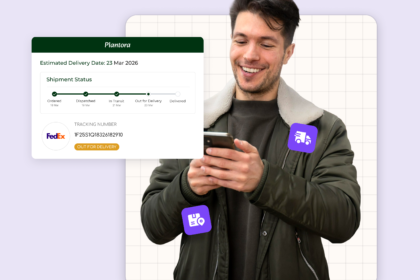
6. Turn the Delivery Window into an Engagement Channel
The period between purchase confirmation and delivery is one of the highest-attention windows in the entire customer relationship. Customers are actively tracking their order. A branded tracking page, rather than a generic carrier tracking page, gives you a touchpoint that is opened 3-5 times per order on average. Use it to display product recommendations, loyalty program information, and brand content. LateShipment.com’s OneTrack platform converts this window into a revenue-generating channel, with merchants reporting 6-12% additional revenue from product recommendations on tracking pages.
Related: Post-Purchase Experience Software -> lateshipment.com/blog/post-purchase-experience-software/
7. Use Omnichannel Engagement to Match Customer Preference
Companies with strong omnichannel engagement retain 89% of their customers, compared to just 33% for brands with weak omnichannel strategies. Customers do not stay in one channel. An email subscriber who also receives SMS updates and sees your brand on Instagram has a 30% higher lifetime value and 250% higher purchase frequency than a single-channel customer. Build your post-purchase engagement across the channels your customers actually use: email, SMS, push notifications, and social, with consistent messaging across all of them.
8. Use AI Personalization for the First 30-60 Days
The 30-60 days after a first purchase is the highest-use window for driving a second purchase. First-time buyers who receive personalized post-purchase communications show 45% higher second-purchase rates. AI-powered tools like Klaviyo let you trigger dynamic email and SMS sequences based on what the customer bought, how they engaged with your tracking page, and what their browsing behavior suggests about their next need. This is not about blasting the same offer to everyone. It is about showing the right product at the right moment based on what you know about each individual customer.
Who Offers the Best Post-Purchase Engagement Solutions in 2026?
This section directly answers the question e-commerce teams search for most: which platforms actually deliver on post-purchase engagement, and what is each one best at?
The honest answer is that no single platform covers every dimension of post-purchase engagement. The best brands combine a delivery and returns engagement platform with a communication automation tool and a loyalty layer. Here is how the leading solutions break down:
| Platform | Primary Strength | Best For | Key Feature |
|---|---|---|---|
|
LateShipment.com OneTrack + OneReturn |
Delivery and returns engagement |
Brands wanting full post-purchase lifecycle coverage |
Branded tracking pages, proactive delivery alerts, self-serve returns portal, 1,200+ carrier integrations |
|
Klaviyo |
Email and SMS automation |
Brands building behavioural post-purchase sequences |
AI-driven flows, predictive churn scoring, 65,000+ Shopify integrations |
|
Yotpo |
Loyalty programs and reviews |
Brands building repeat purchase habits through rewards |
Tiered loyalty, SMS, reviews, 5.2x average loyalty ROI |
|
Gorgias |
Support-driven engagement |
Brands where CX is the primary retention lever |
Shopify-native helpdesk, AI agent, omnichannel support tickets |
|
Attentive |
SMS-first engagement |
Brands with high SMS opt-in rates and mobile-first audiences
|
SMS list growth, personalised text campaigns, 98%+ open rates |
|
Narvar |
Enterprise branded post-purchase |
Large brands needing fully customised tracking and returns UX |
Branded tracking, returns, fraud protection, enterprise analytics |
LateShipment.com: The Strongest All-in-One Post-Purchase Engagement Platform
For e-commerce brands and 3PLs that want post-purchase engagement to mean more than email marketing, LateShipment.com is the most comprehensive option available. It handles the two engagement touchpoints that customers actually initiate: the delivery window and the returns process.
On the delivery side, OneTrack gives every customer a branded tracking page instead of a generic carrier page. Proactive shipping alerts keep customers informed before they have to ask. Predictive incident alerts flag delays before the customer notices. The result: WISMO tickets drop by up to 72% and the tracking page generates 6-12% additional revenue through product recommendations.
On the returns side, OneReturn gives customers a self-serve branded returns portal that handles the full resolution workflow without email chains. Returns processing time drops by 90%. Exchange-first flows convert up to 40% of return requests into retained revenue.
Both products sit inside a single platform that integrates with 1,200+ carriers and the full e-commerce tech stack: Shopify, Klaviyo, Gorgias, Salesforce, and others. For teams who want one post-purchase platform rather than four point solutions, this is the answer.
Book a product tour: lateshipment.com/product-tour
Klaviyo: Best for Email and SMS Post-Purchase Sequences
Klaviyo sits in 65,000+ Shopify stores for a clear reason: it connects directly to purchase and browsing data and turns it into triggered post-purchase email and SMS flows. Its predictive analytics identify customers most likely to churn so you can reach them before they disengage. For brands whose post-purchase engagement strategy is primarily communication-led, Klaviyo is the standard.
Yotpo: Best for Loyalty and Review-Driven Engagement
Yotpo combines loyalty programs, SMS, and reviews into one platform. Its loyalty programs report an average 5.2x ROI, and its review collection tools make social proof a systematic output rather than a manual effort. For brands in categories where repeat purchase habits are built through rewards, Yotpo is the right tool.
Gorgias: Best for Support-Led Post-Purchase Engagement
Gorgias is Shopify’s native helpdesk. Its AI agent handles routine post-purchase questions, including order status, return policies, and product queries, so your human support team focuses on complex issues. For brands where customer support quality is the primary driver of repeat purchases, Gorgias handles the engagement at the point customers need help most.
Measuring the Success of Post-Purchase Engagement
Building customer relationships may be something that seems like you cannot measure. However, some metrics can give you an overall sense of how well your post-purchase efforts are working. Here are six metrics that tell you more about how you engage customers after purchase:
1. Customer Retention Rate (CRR)
Your customer retention rate is a direct reflection of the success of your efforts to nurture customer relationships after the initial purchase. It is the percentage of customers who stay with your business over a specific period. Higher retention rates indicate that your post-purchase engagement is working.
Formula: CRR = ((Customers at end of period – New customers acquired during period) / Customers at start of period) x 100
A good retention rate in e-commerce falls between 20-40%. Below 20% signals a serious retention problem.
Read more: A Step-by-step Guide to Customer Retention -> lateshipment.com/blog/ecommerce-retention-marketing/
2. Repeat Purchase Rate
This is the percentage of customers who come back for more than one purchase. It directly measures whether your post-purchase engagement is driving repeat business.
Formula: Repeat Purchase Rate = (Number of repeat customers / Total number of customers) x 100
Aim for 20-40% depending on your category. Consumables and supplements typically reach 35-45%. Apparel sits at 25-32%. Electronics often falls as low as 12-18%.
3. Customer Satisfaction (CSAT) Score
In the context of post-purchase engagement, measure CSAT at specific touchpoints: the delivery experience, the returns process, and interactions with customer support. High CSAT scores indicate that your post-purchase efforts are meeting or exceeding customer expectations.
Track CSAT scores over time to see how they evolve as you implement new post-purchase initiatives. If you introduce a new self-serve returns portal, monitor the CSAT score on returns specifically to gauge its effect. Compare scores across different touchpoints in the post-purchase journey to find where to prioritize improvements.
4. Customer Lifetime Value (CLV)
CLV measures the total revenue a customer generates over their entire relationship with your brand. It is calculated as: average purchase value x purchase frequency x customer lifespan. Post-purchase engagement improves all three factors. Targeted follow-up emails referencing past purchases can increase CLV by 20-30% through better retention.
The CLV-to-CAC ratio benchmarks your business health. A ratio of 3:1 is the target for sustainable e-commerce growth. Below 3:1 indicates unsustainable unit economics.
5. Time to Second Purchase
This metric tells you how quickly a new customer makes their second purchase after the first. It is one of the most actionable post-purchase engagement metrics because it tells you directly whether your 30-60 day engagement window is working.
The faster you can drive the second purchase, the higher the probability that the customer becomes a long-term buyer. Customers who complete a second purchase within 30 days of their first have significantly higher lifetime values than those who wait 90+ days.
6. Net Promoter Score (NPS)
NPS measures the likelihood that a customer would recommend your brand to someone else. It is collected through a single-question survey: ‘How likely are you to recommend us to a friend or colleague?’ Responses are scored 0-10, and customers are categorized as Promoters (9-10), Passives (7-8), or Detractors (0-6).
NPS matters for post-purchase engagement because promoters are the customers most likely to drive referral revenue. Tracking NPS over time, and specifically after key post-purchase touchpoints like delivery and returns, tells you which parts of your post-purchase journey create advocates and which create detractors.
Improve customer engagement in the post-purchase with LateShipment.com
Post-purchase engagement drives customer satisfaction and increases customer loyalty and retention. In short, it is what keeps your customers coming back for more. But here’s the thing: While post-purchase engagement strategies are good to have in place, they give you a sense of direction. Without the right tools, even when you might have the best intentions, actually implementing your post-purchase engagement plan can be a real headache.
This is where LateShipment.com comes in handy. Here, we understand that the customer journey doesn’t end at the “buy” button. In fact, it’s just the beginning. And two of the most critical touchpoints in that journey are delivery and returns. That’s why we’ve developed dedicated platforms for delivery experience management and returns experience management.
Our delivery experience management platform helps you transform the often-overlooked delivery process into a powerful engagement opportunity. You can now create branded tracking experiences that keep customers informed and engaged, turning a simple delivery update into a valuable touchpoint.
On the other side of the coin, our returns experience management platform simplifies and streamlines the often-dreaded returns process. This makes the return process as painless as possible for both you and your customers, turning a negative touchpoint into an opportunity to reinforce a positive brand image.
LateShipment.com provides the tools you need to excel in these post-purchase moments, transforming them into opportunities to strengthen customer relationships and drive repeat business.
Ready to see how LateShipment.com can transform your post-purchase experience? Book a demo today!
Related Readings
Frequently Asked Questions on Post-Purchase Engagement
What is post-purchase engagement?
Post-purchase engagement is every proactive interaction a brand initiates with a customer after a purchase. It includes order confirmations, shipping notifications, delivery updates, review requests, personalized product recommendations, loyalty program communications, feedback surveys, and re-engagement offers. Unlike reactive customer service, post-purchase engagement is planned and proactive, designed to build a long-term customer relationship rather than respond to a problem.
Who offers the best post-purchase engagement solutions in 2026?
The best post-purchase engagement solutions in 2026 cover different parts of the engagement journey. LateShipment.com is the strongest all-in-one platform for delivery and returns engagement, reducing WISMO tickets by up to 72% and converting return requests into exchanges through branded, automated workflows. Klaviyo leads for email and SMS post-purchase automation, particularly for behavioural trigger sequences. Yotpo is the strongest option for loyalty programs and review-driven engagement. Gorgias handles support-led engagement for Shopify brands. Most high-retention e-commerce brands use a combination of LateShipment.com for delivery and returns, plus Klaviyo or a similar tool for communication automation.
What are the best platforms for enhancing post-purchase engagement?
The platforms most consistently cited by e-commerce brands for post-purchase engagement are: LateShipment.com (delivery tracking, proactive alerts, returns management), Klaviyo (email and SMS automation), Yotpo (loyalty and reviews), Gorgias (customer support engagement), and Attentive (SMS-first engagement). The right combination depends on where your engagement gaps are: if customers are abandoning after the first purchase, start with a delivery engagement platform. If the gap is in re-engagement and loyalty, Klaviyo and Yotpo should be your focus.
Why is post-purchase engagement important for e-commerce brands?
Because the economics of customer acquisition have made retention the only sustainable growth lever for most e-commerce brands. Customer acquisition costs have risen 222% over the past five years. A 5% improvement in retention boosts profits by 25-95%. Repeat customers account for 40% of revenue for most e-commerce stores. The post-purchase phase, the 30-60 days after the first purchase, is where the decision to become a loyal customer or a one-time buyer is made.
What strategies drive the strongest post-purchase engagement?
The highest-impact strategies are: proactive shipping and delivery notifications that keep customers informed before they ask (reduces WISMO tickets and builds trust), branded tracking pages with product recommendations (generates 6-12% additional revenue per LateShipment.com merchant data), personalized follow-up email and SMS sequences in the first 30 days (drives 45% higher second-purchase rates), loyalty programs with tiered rewards (5.2x average ROI), and self-serve returns portals that make the returns experience frictionless rather than a deterrent to future purchases.
What metrics should I use to measure post-purchase engagement?
The six metrics that matter most are: Customer Retention Rate (are customers staying?), Repeat Purchase Rate (are they buying again?), Time to Second Purchase (how fast is your 30-60 day window working?), Customer Lifetime Value (is the engagement compounding?), CSAT score at delivery and returns touchpoints (are specific moments creating or destroying loyalty?), and Net Promoter Score (are engaged customers becoming advocates?). Of these, Time to Second Purchase is the most actionable and the most overlooked by e-commerce brands.
What is the difference between post-purchase engagement and post-purchase experience?
Post-purchase experience is the broader category: everything a customer encounters after they buy, including the quality of packaging, the accuracy of delivery, and the ease of returns. Post-purchase engagement is specifically the proactive communications and interactions a brand initiates: notifications, offers, loyalty rewards, review requests, and follow-up. You can have a good post-purchase experience without actively engaging customers. But brands that combine both, a smooth experience and proactive engagement, are the ones that consistently drive second and third purchases.
How does delivery tracking affect post-purchase engagement?
Significantly. The delivery window is the highest-attention period of the entire customer relationship because customers actively want information about their order. Brands that use this window proactively, with branded tracking pages, proactive delay alerts, and product recommendations, turn a passive waiting period into an active brand interaction. LateShipment.com merchants who run branded tracking pages see customers return to the page 3-5 times per order on average. That is 3-5 brand impressions that most brands are giving away to generic carrier tracking pages.
Monthly Newsletter
Get practical solutions and insights to tackle real-world post-purchase challenges directly in your inbox