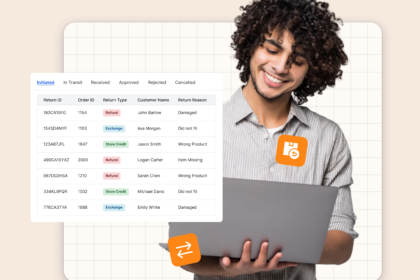


Quick answer: Returns management automation replaces manual returns workflows: email chains, spreadsheet tracking, manual label generation: with software that handles authorization, label creation, routing, notifications, and refund processing automatically. For operations teams, the measurable outcomes are a 90% reduction in returns processing time, 80% fewer returns-related support tickets, and the ability to scale returns volume without adding headcount. LateShipment.com’s OneReturn is the platform that delivers these outcomes. |
Key Takeaways
- The ops case for automation: Manual returns processing costs your team hours per day and scales linearly with volume. Automation breaks that relationship: the same system handles 100 returns and 10,000 returns with no added overhead.
- What automation actually replaces: Authorization emails, label creation, carrier coordination, warehouse routing, customer status updates, refund processing, and returns analytics: all of these can be fully automated. Most ops teams only automate the first two.
- The return fraud problem: Return fraud and policy abuse cost U.S. retailers an estimated $103 billion in 2024 (NRF). Automated policy enforcement at the point of return initiation is the most effective control, not manual review after the fact.
- Multi-warehouse routing: For ops teams running multiple fulfillment centers, automated returns routing rules direct inbound returns to the correct warehouse based on product type, return reason, or geography. Without this, warehouse ops get flooded with mis-routed returns.
- How to evaluate automation software: The five criteria that matter for ops: integration depth (WMS, OMS, helpdesk), policy configuration flexibility, returns analytics granularity, exchange-first workflow capability, and pricing model (per-return vs. monthly flat).
It’s the double-edged sword of online shopping: customers love the flexibility, but for you, it’s like unraveling a tightly wound ball of yarn: time-consuming, frustrating, and often expensive when handled incorrectly. But what if there was a way to turn this logistical headache into a competitive advantage?
Say hello to returns management automation: the ultimate game-changer for modern e-commerce. From simplifying refunds to keeping inventory in check, automation takes the chaos out of returns while delivering a stellar customer experience: with real-time updates, smooth integrations, and data-backed insights at your fingertips.
In this guide, we’ll explore how automating your returns process isn’t just a choice, but a very real need for your business to thrive.
What is Returns Management Automation?
Returns management automation is the use of software to handle the end-to-end returns process without manual intervention. It covers every step: customer initiates a return, the system validates it against your return policy, generates a prepaid label, routes the inbound return to the correct warehouse, sends status notifications, processes the refund or exchange, and updates inventory: all automatically.
The contrast with manual returns is stark. In a manual process, each of those steps requires a human to read an email, make a decision, create a label, send a message, and update a spreadsheet. At low volumes this is manageable. At 500+ returns per month, it overwhelms your team and your customers.
What Manual Returns Cost Your Operations Team
Before evaluating automation, it helps to put a number on what manual returns processing actually costs. Here is what operations teams typically track:
| Metric | Manual Process | Automated Process |
|---|---|---|
|
Returns processing time per request |
15-30 minutes (email, label, update) |
Under 2 minutes (system-handled) |
|
Label generation |
Manual via carrier portal |
Auto-generated at request initiation |
|
Support tickets per 100 returns |
25-40 WISMO-style return tickets |
5-8 (customers self-serve status) |
|
Warehouse routing errors |
10-15% mis-routing rate |
Near zero with automated rules |
|
Policy violation catch rate |
Low: relies on human review |
100% at point of initiation |
|
Returns analytics |
Manual reporting from spreadsheets |
Real-time dashboard with trend data |
At 500 returns per month, a 15-minute average handling time is 125 hours of operations labor per month: just on returns. That is more than three full work weeks. Automation reclaims that time.
What Returns Management Automation Handles
Automated Return Authorization
Gone are the days of endless email chains for return approvals. Automation tools handle the authorization process against your pre-set policies. Customers request returns through a self-serve interface, and the system approves or flags them based on your rules: return windows, product eligibility, condition requirements: without any human in the loop.
Automated Label Generation
The moment a return is authorized, the system generates a prepaid shipping label and delivers it to the customer automatically. No one on your team needs to create labels manually, coordinate with carriers, or send emails. The customer gets everything they need instantly.
Automated Return Routing (Multi-Warehouse)
For operations teams running multiple fulfillment centers, this is the feature that prevents warehouse chaos. You configure routing rules once: send apparel returns to Warehouse A, electronics to Warehouse B, damaged goods to the inspection center. Every inbound return goes exactly where it belongs without manual coordination.
Without automated routing, warehouse teams receive mis-routed returns, spend time figuring out where they should go, and create inventory discrepancies. With it, the routing decision is made at label generation: before the package ships.
Real-Time Return Tracking for Customers and Ops Teams
Automation platforms provide tracking visibility from both sides. Customers can look up their return status from a branded self-serve page without contacting support. Your ops team and warehouse operators see the same data in a centralized dashboard: inbound return volume, status by return request, and time-to-resolution metrics.
This eliminates the single biggest driver of returns-related support tickets: customers who have initiated a return and have no idea where it is or when their refund will come.
Return Fraud Detection and Policy Enforcement
Return fraud and policy abuse cost U.S. retailers approximately $103 billion in 2024 according to the National Retail Federation. Most of this happens because policy enforcement is reactive: a team member reviews the return after it has been initiated and may catch the violation, or may not.
Automated policy enforcement is proactive: the system validates every return against your rules at the point of initiation. Return windows are enforced automatically. Non-returnable items are blocked. High-frequency returners can be flagged for manual review. No fraud slips through because a team member was having a busy day.
Exchange-First Workflows
One of the highest-ROI features of returns automation for operations teams is the exchange-first workflow. Instead of defaulting to a refund, the returns portal presents exchange options: different size, color, or alternative product: before processing a return.
LateShipment.com’s OneReturn converts up to 40% of return requests into exchanges. For operations, this means fewer net returns to process, and for the business it means revenue retained rather than refunded.
Refund and Resolution Processing
Once a return is received and inspected, the system handles resolution: full refund, partial refund, store credit, or exchange processing. Advanced resolution tools handle edge cases like partial refunds and custom deductions without needing a manager to manually calculate and apply them.
Returns Analytics and Reporting
LateShipment.com’s returns management automation offers strong analytics features and actionable insights into your returns trends. Operations teams can see: return rate by product, return reason distribution, resolution time by category, carrier performance for return shipments, and cost per return. These are the metrics that feed into product decisions, policy changes, and carrier negotiations.
Why Operations Teams Can't Afford to Stay Manual
Let’s face it: returns management can feel like a never-ending juggling act. One moment, you’re processing refunds, and the next, you’re tracking lost packages or updating inventory. It’s time to ditch the chaos and embrace automation.
LateShipment.com’s returns experience management solution helps you simplify your returns and exchange process while decreasing returns-related tickets by 80% and returns processing time by a whopping 90%. It achieves this with the following capabilities:
- Authorize returns easily: Customers request returns through a simple interface, and approvals happen with a single click: or automatically, based on your rules.
- Advanced return resolution: Whether it’s partial refunds, custom deductions, damaged goods, or complex customer disputes, the automation tool means quick, hassle-free resolutions.
- On-brand returns portal: Customers navigate to a customized returns and exchange portal right from your storefront: no email required, no support ticket needed.
- strong analytics: Real-time insights into returns trends, return reasons, product-level return rates, and resolution times.
- direct integration: Connect to your existing tech stack. OMS, WMS, helpdesk, e-commerce platform: without a complete overhaul.
Returns management automation gives businesses a competitive edge by transforming a traditionally cumbersome process into a smooth, customer-focused experience. By automating authorization, label generation, tracking, and communication, companies reduce costs, save time, and improve efficiency. More importantly, it creates a positive post-purchase experience, building customer trust and loyalty.
If you’re ready to get started, turn to LateShipment.com. Sign up for a 30-day free trial and see how LateShipment.com’s Returns Management Software can help you offer smooth, self-serve returns and exchanges.
Benefits of Implementing Returns Management Automation
So, we’ve laid down why manual returns management is far from ideal today. But what makes returns management automation the perfect solution? Apart from simply removing the manual tedious task from your plate, it brings other considerable benefits to the table as well.
Here’s a look at these:
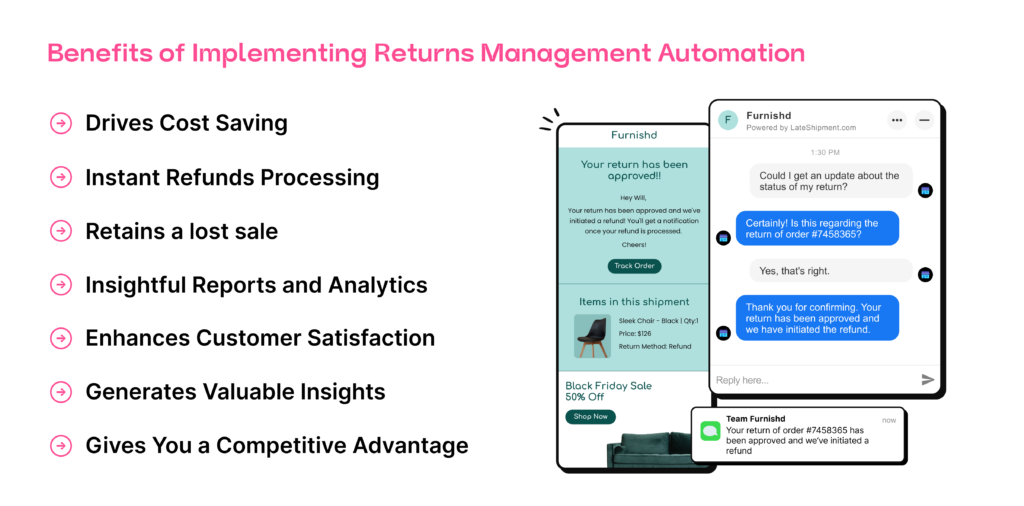
Drives cost savings
Returns management automation brings this cost down by automating your returns management process.
As mentioned in the previous section, manually managing your returns means added human resources, higher chances of errors, and loss of revenue thanks to a frustrating returns process that will ensure the customer never returns to your brand. Onboarding a returns management automation is akin to waving a wand and making all these problems disappear.
Not to mention, these tools also help you collect and monitor critical returns and exchange metrics that you can leverage to improve decision-making.
Improves efficiency
Returns management automation automates the entire process of returns right from raising returns and exchange requests to processing refunds. This helps simplify, eliminate the chance of human error, and speed up the returns process for you as well as your customers.
Your team no longer has to manage return requests, review whether they match your return policies, create labels, update product stock, or process refunds. They can now focus on activities that demand their expertise.
This also translates into your customers not having to call your customer service, wait to be connected, and keep chasing you for an update. They get everything they need on an on-brand returns and exchange tracking page that they can reach right from your platform.
Retains a lost sale
Did you know that repeat customers are responsible for generating a whopping 40% of an e-commerce business’s revenue? That just tells you one thing—focusing on your current customers is as important, if not more, than chasing new ones.
The way to keep your current customers coming back is to facilitate a seamless, smooth, and optimized returns experience. You see, almost 85% of customers say they’ll turn their backs on a brand after a negative return experience. With that number, an unoptimized, convoluted, and frustrating returns process is equivalent to wanting your business to struggle in the market.
With returns management automation, you simplify, streamline, and optimize your returns and exchange process. Customers can now raise return requests themselves, track the status of their requests, and get their money back swiftly. And when they know they can trust you, they’re more likely to choose you against another business when they next need to purchase a product.
Enhances customer satisfaction
Returns management automation takes the hassle out of product returns and exchanges, making the process effortless for your customers. It empowers them to initiate requests, track progress, and receive timely, personalized updates across their preferred communication channels.
By putting convenience and transparency at the forefront, returns management automation enhances the returns process into a positive experience that builds trust and strengthens customer loyalty—just as highlighted earlier. It’s a win-win for both your business and your customers.
Generates valuable insights
The standout advantage of a returns management solution lies in its ability to track every step of the returns process while delivering detailed insights and reports. With this valuable data in hand, you can make smarter decisions—refining product design, optimizing inventory, managing budgets, and enhancing customer support—all with precision and confidence.
Gives you a competitive advantage
Returns management automation gives businesses a competitive edge by transforming a traditionally cumbersome process into a seamless, customer-focused experience. By automating tasks like refunds and exchanges, tracking, and communication, companies reduce costs, save time, and improve efficiency.
More importantly, it creates a positive post-purchase experience, building customer trust and loyalty. With detailed analytics, businesses gain valuable insights to refine operations and offerings, staying ahead of the competition and turning returns into a strategic advantage.
How to Automate E-Commerce Returns Management?
Let’s face it—returns management can feel like a never-ending juggling act. One moment, you’re processing refunds, and the next, you’re tracking lost packages or updating inventory. If the earlier sections in this article don’t make it clear enough—it’s time to ditch the chaos and embrace automation.
If your question is ‘How, exactly?’, then the answer is—with LateShipment.com.
LateShipment.com’s returns experience management solution helps you streamline your returns and exchange process while decreasing your returns-related tickets by 80% and returns processing time by a whopping 90%.
It achieves this feat with the following features:
Self-serve returns and exchanges
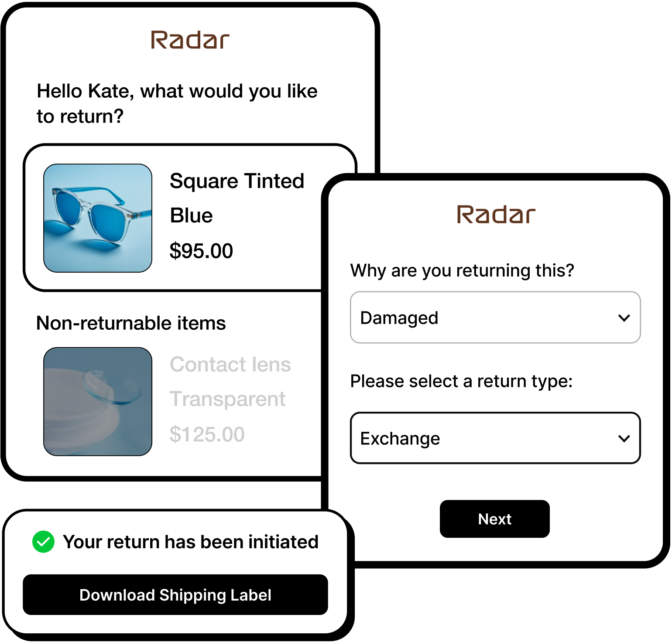
92% of consumers say they would buy from the same brand again if the returns process was easy. LateShipment.com helps you empower your customers to initiate the returns and exchange process independently without your reps having to get involved.
How? With a self-serve return lookup feature.
All your customers have to do is navigate to the returns portal from your platform and raise a request. And if they want an update, they can get instant and automated updates on how their returns request is getting processed—on demand!
Automated returns tracking
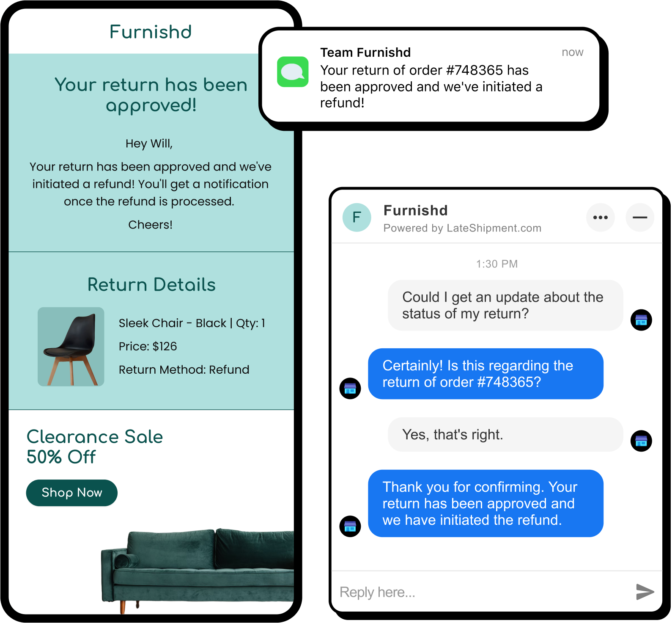
- Track returns in real-time: Cut down on your customer inquiries about return and exchange request statuses. LateShipment.com provides real-time tracking updates to you and your customers. From the moment a return is initiated to its final destination, everyone stays informed, boosting transparency and trust.
- Stay connected with customers: Nobody likes radio silence—especially customers waiting for updates. With LateShipment.com, you can keep your customers in the loop with personalized and regular updates throughout the returns process, reducing anxiety and improving satisfaction.
Return policies and workflows
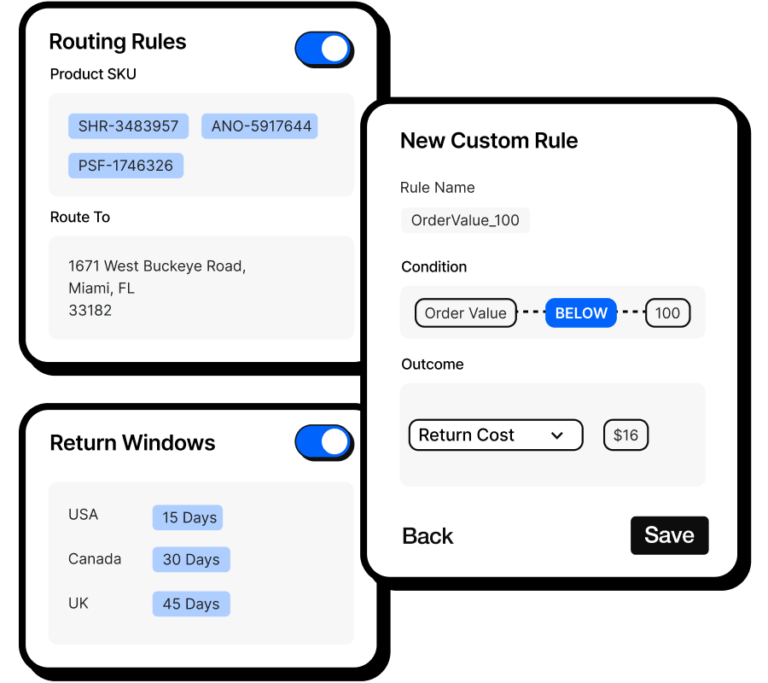
- Set up custom return policies: LateShipment.com helps you customize your return policies so that you can make it as easy as possible for your customers to return or exchange a product. Create crystal-clear, automated return policies with simple, automated rules tailored to your business needs, leaving no room for confusion or manual intervention.
- Custom routing rules: Why let your returns process follow a one-size-fits-all approach? With LateShipment.com’s custom routing rules, you can tailor the journey of each return based on your preferences. Whether it’s directing high-value items to specific locations or setting unique rules for damaged goods, this feature ensures efficiency, cost savings, and a returns flow that works like a charm!
Returns management portal
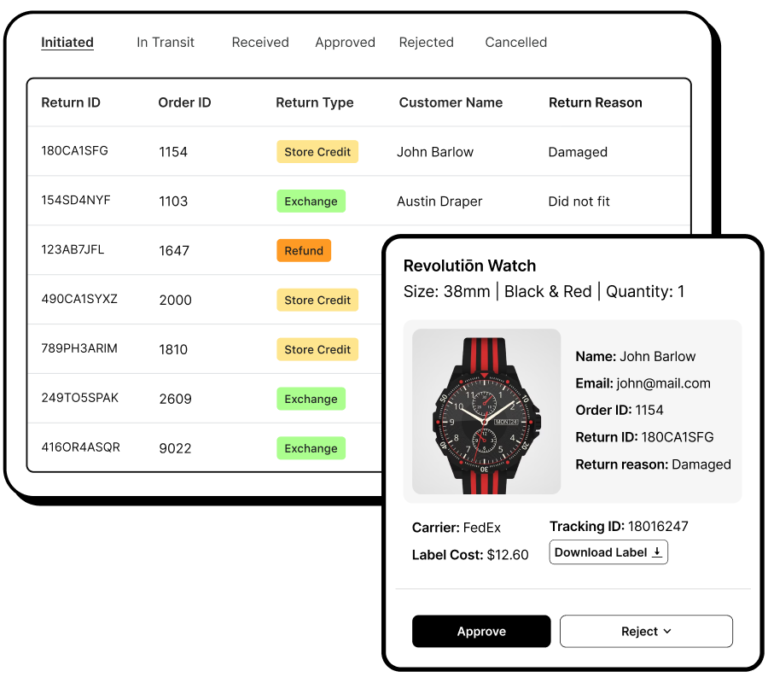
- Authorize returns effortlessly: Gone are the days of endless email chains for return approvals. LateShipment.com’s automation tools streamline the authorization process. Customers can request returns through a simple interface, and you can approve or deny them with a single click.
- Advanced return resolution: LateShipment.com’s advanced return resolution feature takes the guesswork out of managing tricky returns. Whether it’s partial refunds, custom deductions, damaged goods, or complex customer disputes, our automation tool ensures quick, hassle-free resolutions. With proactive communication, real-time insights, and streamlined workflows, you can resolve issues efficiently while keeping customers happy.
Branded returns and exchanges
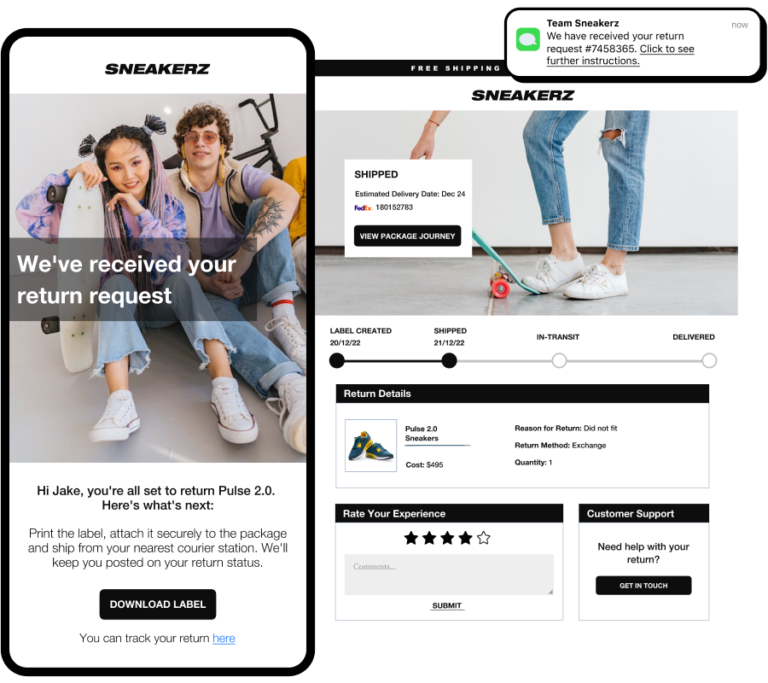
LateShipment.com helps you facilitate that by allowing your customers to navigate to an on-brand, customized returns and exchange portal right from your storefront.
This way, not only do your customers get to initiate the return process effortlessly, but their post-purchase experience with your brand also remains consistent.
Flexible return methods
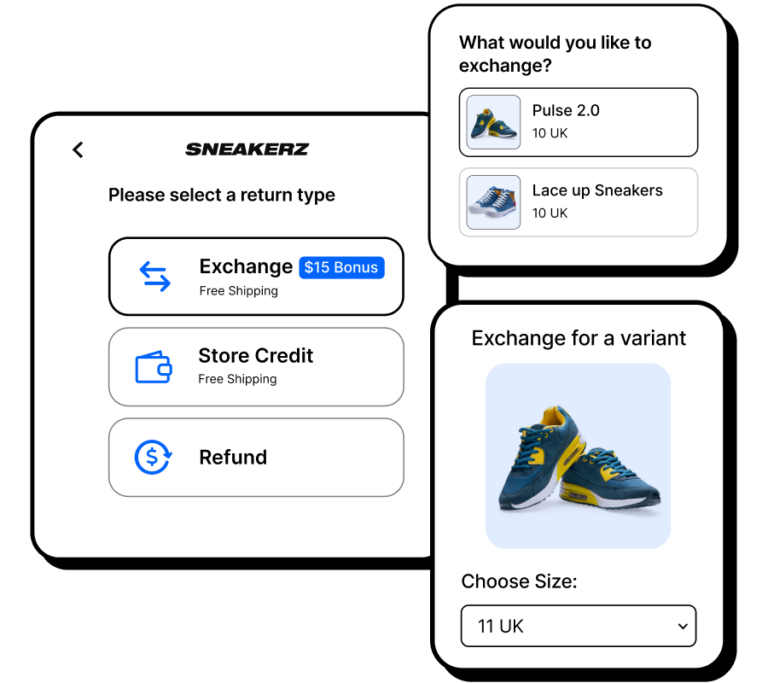
Did you know that 70% of returns are size and fit related? Not all of these returns have to lead to costly refunds.
LateShipment.com enables you to offer exchanges and store credit so you can retain revenue and reduce return costs. You can also incentivize customers with free shipping and bonus credit to make it even easier to turn returns into repeat purchase opportunities.
Robust analytics and reports
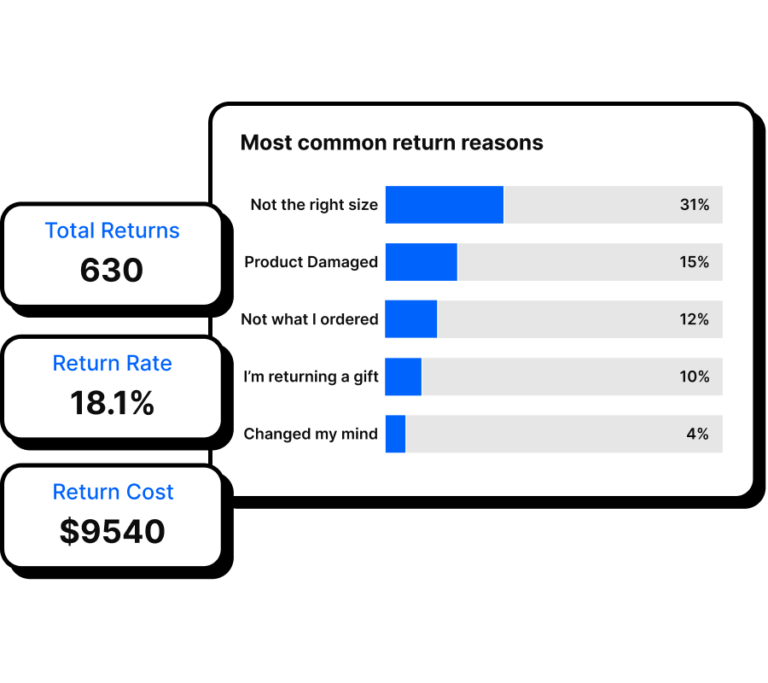
What’s working? What’s not? LateShipment.com’s returns management automation offers robust analytics features and actionable insights into your returns trends. Learn from the data to refine your policies, boost efficiency, and improve your product offerings.
Integrate LateShipment.com seamlessly into your tech stack
Integrating returns management automation doesn’t have to shake up your existing tech stack. Already have a favorite order management system or shipping tool? No problem! LateShipment.com integrates effortlessly into your existing tech stack, making the transition to automation smooth and hassle-free.
At LateShipment.com, we don’t just automate returns; we help you turn them into growth opportunities. With our comprehensive returns experience management solution, you can enhance customer loyalty, reduce operational headaches, and increase profitability—all in one fell swoop, effectively taming the returns beast.
Sign up for a 30-day free trial and see how LateShipment.com’s Returns Management Software can help you offer seamless, self-serve returns and exchanges.
Conclusion
Returns don’t have to be the Achilles’ heel of your e-commerce business. With returns management automation, you can transform a historically tedious process into a seamless, efficient, and customer-friendly experience. From real-time tracking and inventory management to insightful analytics and automated policies, it’s a solution that saves time, cuts costs, and boosts customer satisfaction—all while giving you a competitive edge in a crowded market.
If you’re ready to get started on leveraging this must-have solution, turn to LateShipment.com.
At LateShipment.com, we specialize in helping businesses streamline their returns experience with robust returns automation capabilities. Our platform not only simplifies the returns process but also ensures your customers stay delighted at every touchpoint post-purchase.
It’s time to make your returns strategy a growth driver, not a headache. Partner with LateShipment.com today and see the difference for yourself. Book a demo now!
Frequently Asked Questions
What is returns management automation?
Returns management automation is software that handles the end-to-end returns process without manual intervention: from customer return initiation and policy validation, through label generation and warehouse routing, to refund processing and inventory update. For operations teams, it eliminates the per-return labor cost and scales returns handling without adding headcount.
How much does returns management automation reduce processing time?
LateShipment.com’s OneReturn reduces returns processing time by up to 90%. The primary driver is eliminating the human steps in the workflow: instead of a team member receiving an email, reviewing the request, creating a label, coordinating with the warehouse, and sending an update: the system does all of that automatically, typically in under two minutes per return request.
Does returns automation handle multi-warehouse routing?
Yes. You configure routing rules once: based on product type, return reason, condition, or geography: and the system applies them automatically to every inbound return. This eliminates mis-routing errors and means your warehouse teams receive sorted, correctly-directed returns without manual coordination.
How does returns automation prevent return fraud?
Automated policy enforcement validates every return request at initiation: before a label is issued. Return windows, non-returnable item lists, condition requirements, and frequency limits are all checked automatically. This means no return gets through that violates your policy, regardless of team workload or human error. High-frequency returners can also be flagged automatically for manual review rather than auto-approved.
What integrations does returns management software need to work for operations teams?
The critical integrations are: your e-commerce platform (for order data and customer data), your OMS (for return validation and inventory updates), your helpdesk (so return tickets don’t need manual duplication), and your carrier network (for label generation and return tracking). LateShipment.com integrates natively with Shopify, WooCommerce, Magento, BigCommerce, Gorgias, and 1,200+ carriers out of the box.
How is LateShipment.com's returns automation priced?
OneReturn is priced at $0.35 per return, with 50 free returns included in the trial period. There is no monthly minimum and no setup fee. You pay only for returns processed, which means the cost scales with your volume and you are never paying for capacity you are not using.
Related Reading:
What is Returns Management vs Reverse Logistics? -> lateshipment.com/blog/returns-management-vs-reverse-logistics/
Shopify Returns Management: Apps, Setup & Best Practices -> lateshipment.com/blog/shopify-returns-management/
Returns and Exchanges: What Every Operations Team Needs to Know -> lateshipment.com/blog/returns-and-exchanges/
How to Write a Return Policy That Reduces Friction -> lateshipment.com/blog/return-policy/
OneReturn Product Tour -> lateshipment.com/product-tour/returns-experience-management/
Monthly Newsletter
Get practical solutions and insights to tackle real-world post-purchase challenges directly in your inbox