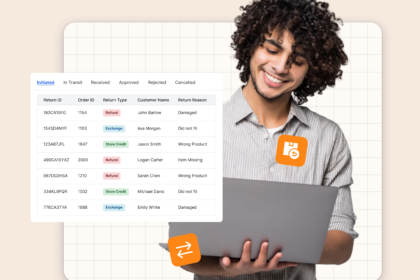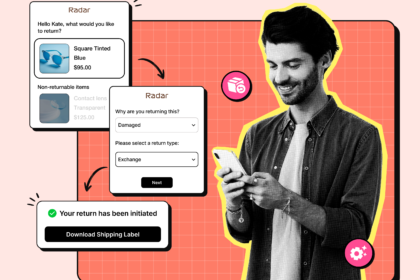


Key Takeaways
- Returns vs exchanges: why the distinction matters for ops: A return means processing a refund and restocking (or writing off) the item. An exchange means swapping the product while retaining the sale value. Operations workflows are different for each, and the metrics you track should be different, too.
- Exchange-first opportunity: Most e-commerce brands default to refunds because their process makes refunds easiest. Brands that build exchange-first flows, where exchange options are presented before the refund option, convert 30-40% of return requests into exchanges. This is retained revenue with minimal ops lift.
- Return fraud is a real ops problem: U.S. retailers lost approximately $103 billion to return fraud and policy abuse in 2024 (NRF). Common fraud types include returning items never purchased from that retailer, returning used or damaged items as new, and serial returning. Automated policy enforcement at initiation is the most effective control.
- Customer retention angle: 85-92% of customers say they will not return to a brand after a bad returns experience. A fast, self-serve, transparent returns and exchange process is one of the highest-use customer retention investments an ops team can make.
- Exchanges need a different workflow than returns: Exchanges require: inventory availability check for the replacement item, hold on current inventory, shipment of the replacement, return of the original. Your returns management system needs to handle this multi-step workflow automatically.
Returns and exchanges are the necessary evils of e-commerce, and no matter the amount of sweat and tears you put into perfecting your product descriptions, attaching precise product images, or streamlining your shopping journey, your customers will return items.
Research finds that the average e-commerce return rate is between 20-30% across industries. Further, a staggering 50%+ customers say an e-commerce business’s return and exchange policies play a significant role in their purchase decisions.
In this article, we’ll explore the difference between returns and exchanges, their benefits and shortcomings, and how you can use them to get ahead—because if done right, these headaches can turn into opportunities to drive customer satisfaction and repeat purchases.
What is a Return?
A return is when a customer sends a purchased product back to the seller and receives their money back. No matter how valuable or high-quality your product is, someone somewhere will want a return or refund. Some jurisdictions also have consumer protection laws that necessitate refunds.
A clear-cut returns policy gives you something to fall back on and gives customers well-defined guidelines: saving time, confusion, and chaos. Despite its advantages, refunds can also be a direct route to lost revenue, negatively impacting your bottom line. Customers returning products might not return to shop again if they have a negative experience with the return process.
What is an Exchange?
Exchanges involve customers giving back an item they have purchased and taking another in its place: a different size, color, or alternative product.
Just like refunds, exchanges are crucial to your e-commerce business’s sales process. A well-made exchange policy can improve the customer experience and make it easier for your employees to handle the process. Unlike refunds, exchanges usually benefit both the business and the customer: exchanges allow online businesses to retain the revenue from their sale while ensuring the customer has received a product that they are happy with.
Building an Exchange-First Returns Strategy
The most significant operational shift a returns team can make is moving from refund-default to exchange-first. Here is what it means in practice:
Refund-default (the status quo for most brands)
Customer initiates a return. They see a single button: “Request Refund.” They click it. You process the refund. Revenue is gone. The item is restocked or written off. This is how most brands operate because it is the path of least resistance in most returns systems.
Exchange-first (the ops-optimized approach)
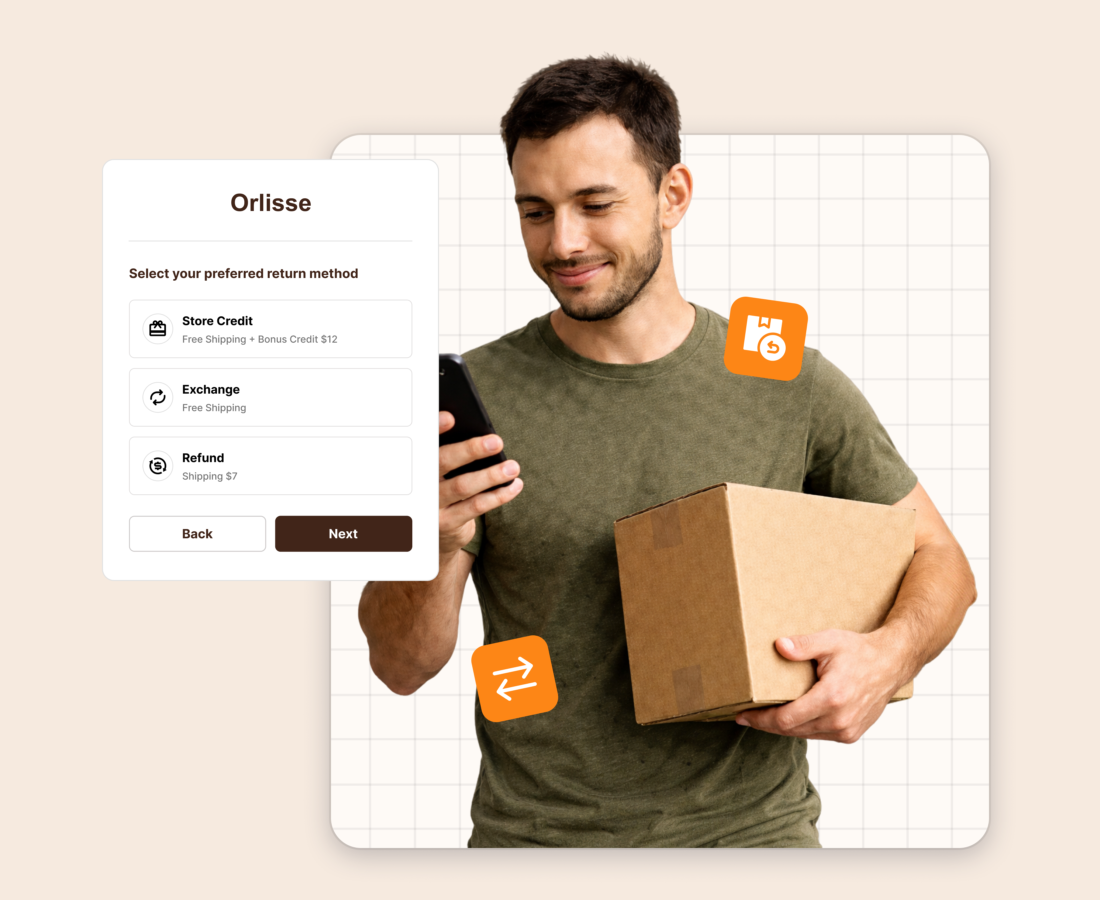
Customer initiates a return. Before seeing the refund option, they see: “Would you like a different size?” or “Try this similar product instead”: with inventory availability shown in real time. The exchange option may come with a small incentive (free shipping, a discount) to make it more compelling. The customer makes a choice. If they want an exchange, the replacement ships and the return is processed. If they still want a refund, the refund is processed.
LateShipment.com merchants implementing this exchange-first flow convert up to 40% of return requests into exchanges. For a business processing 500 returns per month with an average order value of $80, that is up to $16,000 per month in retained revenue.
What exchange-first requires from operations
- Real-time inventory availability check at the point of exchange selection
- Automated hold on replacement inventory during the return transit window
- Parallel processing: return shipment tracked inbound while replacement ships outbound
- Automated resolution if the original return is not received within the expected window
Benefits of Exchanges
Exchanges are essential for any e-commerce business. Some benefits they bring to the table include:
1. Drives Customer Trust
Clear-cut, straightforward, and concise exchange policies help foster trust with customers. When customers know they can exchange an unsatisfying item, they are more likely to take the leap of faith and purchase from your e-commerce store.
2. All-around wins
Unlike refunds, exchanges usually benefit both the business and the customer. exchanges allow online businesses to retain the revenue from their sale while ensuring the customer has received a product that they are happy with. They also present an opportunity for upselling since the customer may exchange the item for one with a bigger price tag.
3. Enhance Brand Reputation
A firm exchange policy can work wonders for your company’s reputation by boosting customer satisfaction and trust. This is because when your customer knows they have the option to exchange a product, they are more confident in their decision to purchase from your online business. It also signals that your e-commerce business stands behind its products and values as well as prioritizes customer satisfaction. This encourages repeat purchases and improves brand loyalty over time.
Disadvantages
Exchanges require you to always have inventory on hand for customers to choose from. If you don’t, you might have to issue a refund instead. Further, exchanges require e-commerce businesses to collect the returned item and ship a replacement—an exercise that is both time-consuming and expensive.
Key Differences Between Returns and Exchanges
Refunds and exchanges are both critical for customer satisfaction. However, there are some notable differences between them. These include:
| Returns | Exchanges |
|---|---|
|
It involves a customer returning an item in exchange for their money back. |
It refers to a customer returning an item they bought in exchange for another. |
|
This can lead to losses in revenue. |
Exchanges allow e-commerce businesses to retain their revenue since they can offer customers an alternate product.
|
|
The e-commerce business gets the shorter end of the stick since it loses out on revenue. |
It is a win-win situation for both the customer and the business. |
|
Returns provide more security to customers since customers know they can get their money back. |
Compared to refunds, exchanges provide less security to customers since customers are restricted to purchasing another item from the same e-commerce store. |
|
Once customers have received their refund, they are less engaged with your brand. They may also be dissatisfied with their service, making them less likely to buy from your business again. |
Customers are still engaged with your brand and, therefore, more likely to buy from you again. |
Scenarios for Choosing Returns vs. Exchanges
A return and exchange policy both come in handy in different situations. Let’s take a look at when to offer what:
When to Offer Returns
Some situations when you can offer returns include:
- When the item the customer purchased is faulty
- When the customer has signed up for a service which cannot be substituted with another service or product
- Cases where replacing the item is more expensive than offering a refund
When to Offer Exchanges
Some situations in which an exchange is a good idea include:
- When refunding the item will be more costly
- When the item has minor fixable issues (such as sizing or coloring matters)
- When the customer is looking for different features or products your platform provides
Retailer Policies on Returns and Exchanges
Setting clear expectations can help customers understand your store’s policies upfront. This means you receive fewer complaints and confrontations, allowing for more manageable returns and exchange processes.
Some elements of a winning returns and exchange policy include:
Include a Clear Time Limit
A good returns and exchange policy clearly specifies the window within which customers can initiate a return or an exchange. For example, “The item must be returned within 15 days of purchase,” or “The item must be exchanged within 30 days of purchase.
Include Options for Returns and Refunds
You should also include clear policies regarding who will bear the cost of the return. Additionally, available options must be clearly outlined if customers want a refund. Some stores offer only store credit, some provide full cash refunds, while others only allow the item to be exchanged. For example, “If you want to return an item, there will be a fee for ‘X’ amount for pick up,” or “Items can only be exchanged for store credit,” and “The item can only be exchanged with a product of the same value.”
Outline What Condition the Item Must Be In
Another aspect that should be included in your policy is the condition in which you want your products returned. It’s important not to accept items that have been damaged or deteriorated and then returned since this can lead to losses. Include clearly stated policies like ”The item must not be opened, used, or damaged,” “The item can only be returned with the original receipt,” or “Some items, like jewellery, perfume, and cosmetics, are not eligible for exchange.”
Wrapping up
We don’t mean to be dramatic, but a good return and exchange policy could make or break your company’s customer experience. Even if they’re initially upset or unhappy with your product, they will be pleased with the service they receive and, in turn, will be more likely to associate with your e-commerce business again.
However, facilitating a streamlined, hassle-free return and exchange process can be complicated. Consider turning to LateShipment.com to automate the process with our Returns Experience Management software.
We offer automated return status updates, branded return tracking, flexible routing rules, a centralized returns management dashboard, and more. Further, our platform easily integrates with your existing tech stacks without requiring a complete overhaul.
FAQs about Returns and Exchanges
What is the difference between a return and an exchange?
A return results in the customer receiving a refund: the sale is reversed and revenue is lost. An exchange results in the customer receiving a different product: the sale value is retained. For operations teams, the workflows are different: returns require refund processing and inventory restocking; exchanges require inventory hold, replacement fulfillment, and return receipt.
What is an exchange-first returns strategy?
An exchange-first strategy presents exchange options to the customer before the refund option during the return flow. Customers are shown available alternatives: different sizes, colors, or related products, and may be offered an incentive (free shipping, discount) to choose an exchange. This approach converts 30-40% of return requests into exchanges, retaining revenue that would otherwise be refunded.
How do I prevent return fraud in e-commerce?
The most effective approach is automated policy enforcement at the point of return initiation. Configure your returns management system to validate every request against your return window, item eligibility, and condition rules before issuing a label. Flag high-frequency returners for manual review. Require photo documentation for condition claims. These controls work because they are applied consistently to every request, not just the ones a team member happens to scrutinize.
What return rate should I be targeting?
Average e-commerce return rates range from 20-30% across industries, but vary significantly by category. Apparel and footwear can see 30-40%+ due to fit and sizing issues. Electronics are typically 15-20%. The more meaningful metric for operations teams is the exchange rate within returns: what percentage of return requests are converted to exchanges rather than refunds. This is the number that directly measures revenue retention.