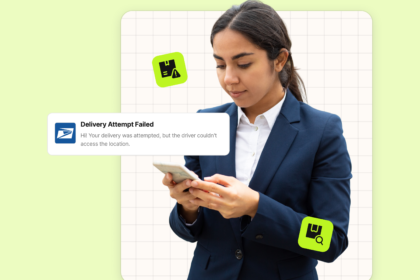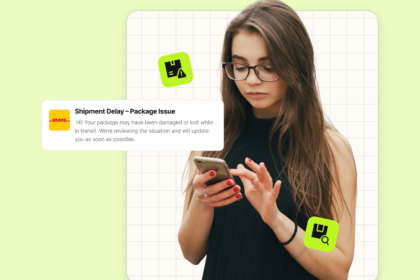

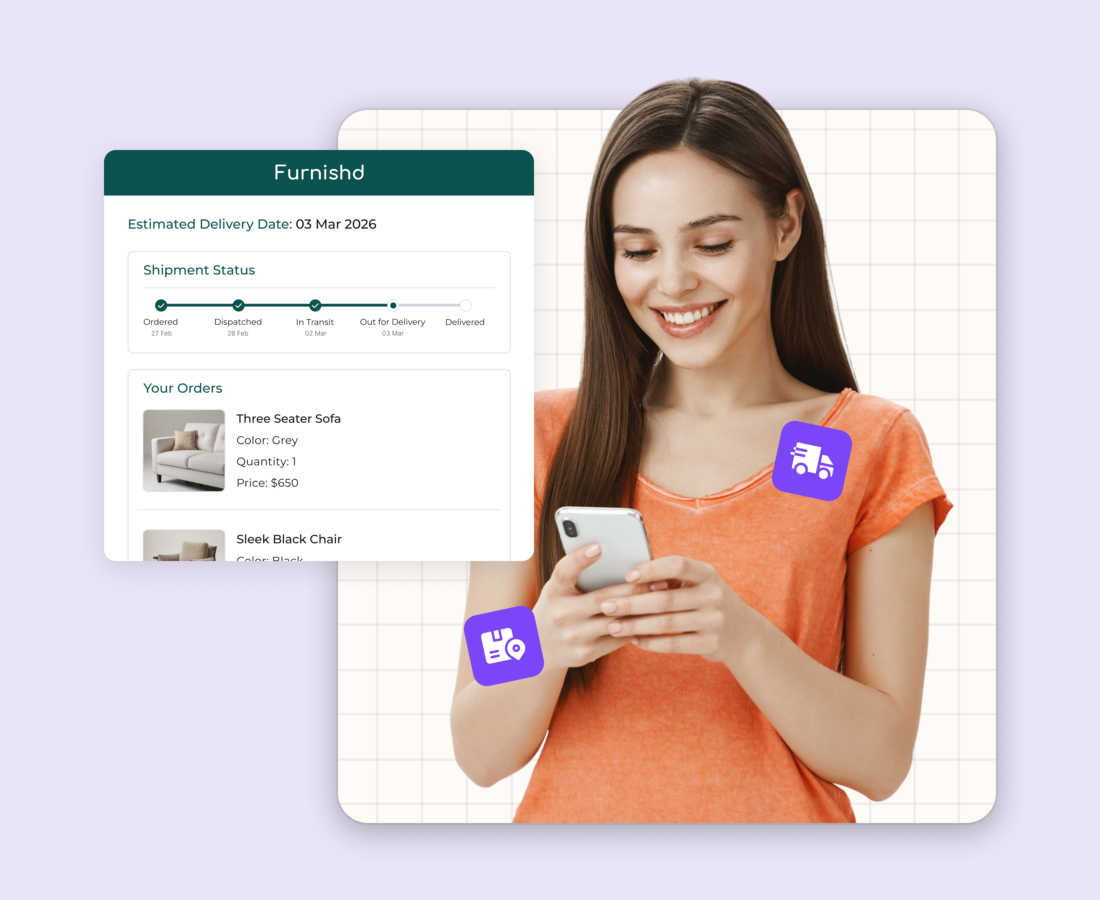
Key Takeaways
- WISMO tickets make up 30 to 40 percent of all inbound support volume for e-commerce brands, costing mid-market businesses $50,000 to $200,000 annually in completely avoidable support costs
- Carrier tracking pages hand over one of your highest-traffic post-purchase touchpoints to someone else’s brand, with zero conversion upside for you
- Carrier notification services require customer opt-in, trigger inconsistently on scan events, and reinforce the carrier’s identity instead of yours
- Proactive, brand-owned notifications that monitor shipments in real time reduce WISMO volume by 60 to 70 percent within 60 days
- Repeat purchase rates improve by 6 to 12 percent when customers feel informed and looked after through the delivery journey
Every day, your support team fields the same question over and over: Where is my order? These WISMO tickets are not just a support cost problem. They are a symptom of a broken post-purchase experience, one that quietly erodes customer trust and kills your chances of a repeat sale.
The fix is not faster support response times. It is eliminating the reason customers reach out in the first place. That means owning the shipping experience from the moment an order leaves your warehouse to the moment it lands at the customer’s door, and doing it in a way that reinforces your brand at every step.
Here is what that looks like in practice.
Why Carrier Tracking Pages Are Not Good Enough for Your Brand
When a customer clicks the tracking link in their order confirmation email, where do they land? If you are like most e-commerce brands, the answer is a FedEx, UPS, or USPS tracking page. That is the moment you hand over one of the highest-traffic, highest-intent touchpoints in the entire customer journey.
Carrier tracking pages show your customer a generic status update with no brand identity, no product recommendations, no upsell, and sometimes carrier ads for competing services. You spent money acquiring this customer, curated their on-site experience, and shipped their order. Then you sent them somewhere else entirely to track it.
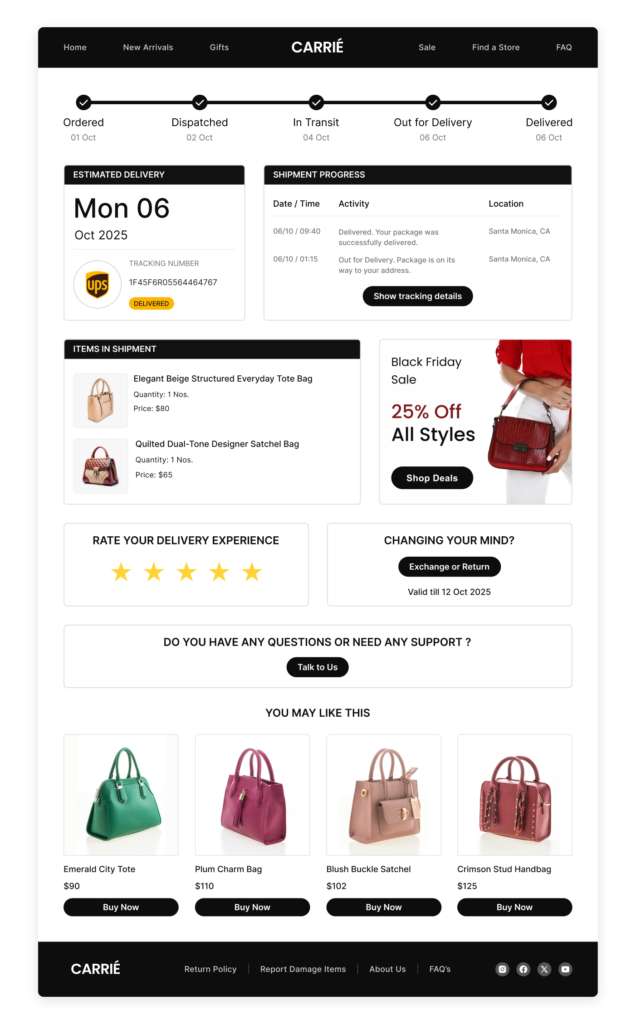
Branded tracking pages fix this. Instead of a carrier page, customers land on a page that looks and feels like your store, complete with your logo, brand colors, estimated delivery date, and relevant product recommendations. Tracking visits becomes a conversion opportunity, not a dead end.
The business case is straightforward. Branded tracking pages typically see 3 to 5 return visits per shipment per customer. That is real estate you are currently giving away to carriers for free.
Why Relying on Carrier Notifications Leaves Customers in the Dark
Carrier notification services exist, but they come with serious limitations that most brands do not discover until something goes wrong.
First, carriers require customers to opt in. That means a large portion of your buyers never receive any proactive updates at all. Second, carrier notifications are inconsistent by design. They trigger on carrier scan events, which do not always happen on time, or at all, during transit. A package can sit in a regional facility for 18 hours with no scan, and your customer has no idea.
Third, and most critically for your brand, carrier notifications carry the carrier’s identity, not yours. When UPS sends your customer a shipping update, it reinforces UPS, not you.
The data backs this up. WISMO tickets represent 30 to 40 percent of all inbound support volume for e-commerce brands, even at companies that use carrier notification services. Carrier alerts do not prevent customer anxiety. They reduce it slightly and inconsistently.
Proactive, brand-owned notifications are different because they go out automatically based on actual shipment events monitored in real time, not just carrier scans. When a delay is detected, your customer hears from you before they ever think to check.
The Case for Multi-Carrier Shipment Tracking in One Place
Most growing e-commerce brands use more than one carrier. You could use FedEx for domestic ground, UPS for international, and USPS for lightweight packages. That works fine until a customer asks about their order, and your support team has to log into three different portals to find the answer.
A multi-carrier tracking solution pulls shipment data across all your carriers into a single dashboard, and surfaces that same unified view on your branded tracking page. Customers see one consistent experience regardless of which carrier handled their package. Your support team sees the full picture without switching tabs.
This matters more than it sounds. When shipments move across carriers or get handed off between regional partners, tracking data becomes fragmented. Customers see status gaps and assume something went wrong. With a unified tracking layer, those gaps disappear, and customers stay informed even when handoffs happen behind the scenes.
LateShipment.com’s OneTrack integrates with 1,200+ carriers globally, which means you are covered whether you ship domestically or across borders. One tracking page, one experience, regardless of how many carriers are in your mix.
Automating Delivery Notifications: Emails, SMS, and Beyond
Building a proactive notification strategy manually is not scalable. You need a platform that monitors shipments continuously, detects exceptions early, and fires branded notifications across the right channels without requiring your team to do anything.
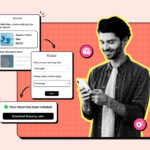
A proper post-purchase notification platform covers the full delivery journey automatically. Order confirmed sends a branded email right after purchase with an accurate estimated delivery date. The order shipped goes out with tracking details and an arrival estimate, not just a carrier link. In-transit updates hit at key milestones as the package moves through the network.
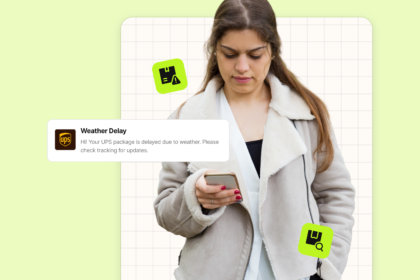
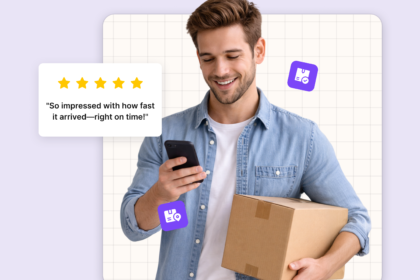
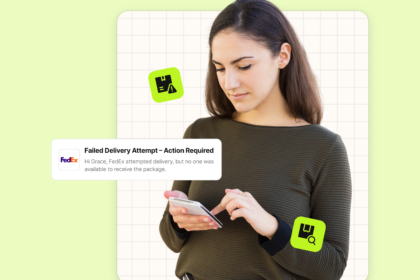
Out for delivery fires in the morning, so the customer knows to expect their package that day. Delivered confirmation follows with delivery details plus a review request or product recommendation. And delay alerts go out proactively with context and a revised ETA, sent before the customer notices anything is off.
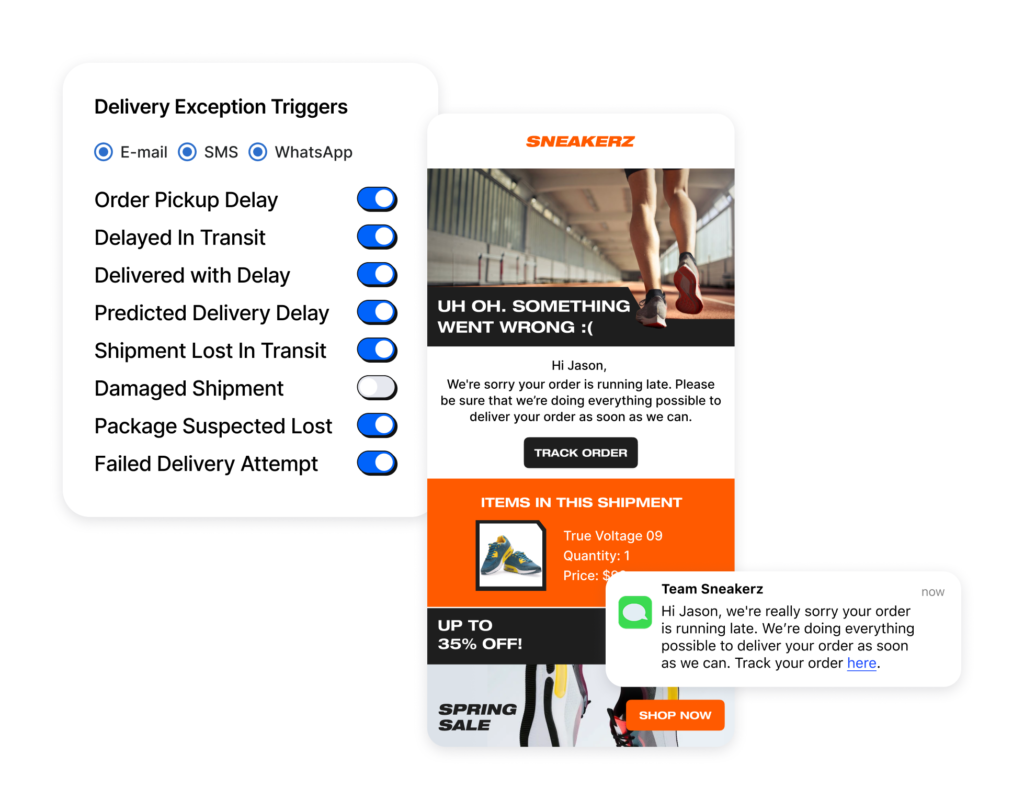
LateShipment.com automates 13+ event-based notifications via email, SMS, and WhatsApp. It integrates with Klaviyo and Omnisend so your notifications match the same templates and flows you already use for marketing. Helpdesk integrations with Zendesk, Gorgias, and Freshdesk mean tracking data automatically surfaces in support tickets, cutting resolution time significantly.
The results are measurable. Brands using proactive delivery notifications typically reduce WISMO ticket volume by 60 to 70 percent within 60 days. Repeat purchase rates improve by 6 to 12 percent because customers who feel informed and looked after are more likely to buy again.
The Bottom Line
Your customers are anxious about their orders. That anxiety starts the moment they complete checkout and does not stop until the package arrives. Every WISMO ticket represents a customer who did not hear from you soon enough.
Branded tracking pages, multi-carrier visibility, and automated proactive notifications are not separate projects. There are three parts of the same solution: take back control of the post-purchase experience, keep customers informed on your terms, and turn a logistics function into a retention channel.
The support cost savings alone, often $50,000 to $200,000 annually for mid-market brands, are enough to justify the investment. The repeat purchase lift is the upside that makes it a growth strategy, not just a cost reduction.
You are already shipping orders every day. The question is whether those shipments are working for your brand or just working for the carriers.
Frequently Asked Questions
How quickly will WISMO tickets drop after setting up proactive notifications?
Most brands see a 40 to 50 percent reduction within the first 30 days, climbing to 60 to 70 percent once notification timing and messaging are optimized. The key is getting updates out before a customer even considers contacting support.
What is the difference between carrier notifications and a post-purchase platform?
Carrier notifications require opt-in, fire only on scan events, and carry the carrier’s branding. A post-purchase platform monitors all shipments regardless of carrier, sends fully branded notifications automatically, and gives you complete control over every customer-facing message, including what to say when something goes wrong.
Does this work if we ship with multiple carriers?
Yes. LateShipment.com connects with 1,200+ carriers globally, so whether you use FedEx, UPS, USPS, DHL, or a mix of regional carriers, all tracking data feeds into one unified view and customers always land on your branded tracking page.
What happens when a shipment is delayed?
Your team gets visibility into at-risk shipments in the operations dashboard while your customer receives an automatic delay notification with context and a revised ETA. You are not reacting to an angry support ticket. You are getting ahead of it.
Will sending delay notifications hurt our brand reputation?
The opposite tends to happen. Customers do not expect perfect deliveries. They expect honesty when something goes wrong. Brands that reach out first with clear context consistently score higher on post-purchase satisfaction than brands with better on-time rates but poor communication.
Monthly Newsletter
Get practical solutions and insights to tackle real-world post-purchase challenges directly in your inbox